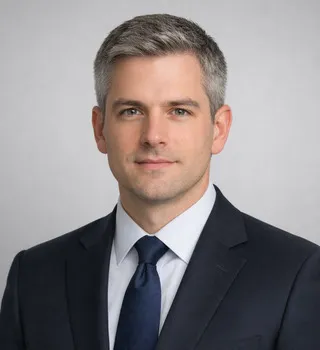

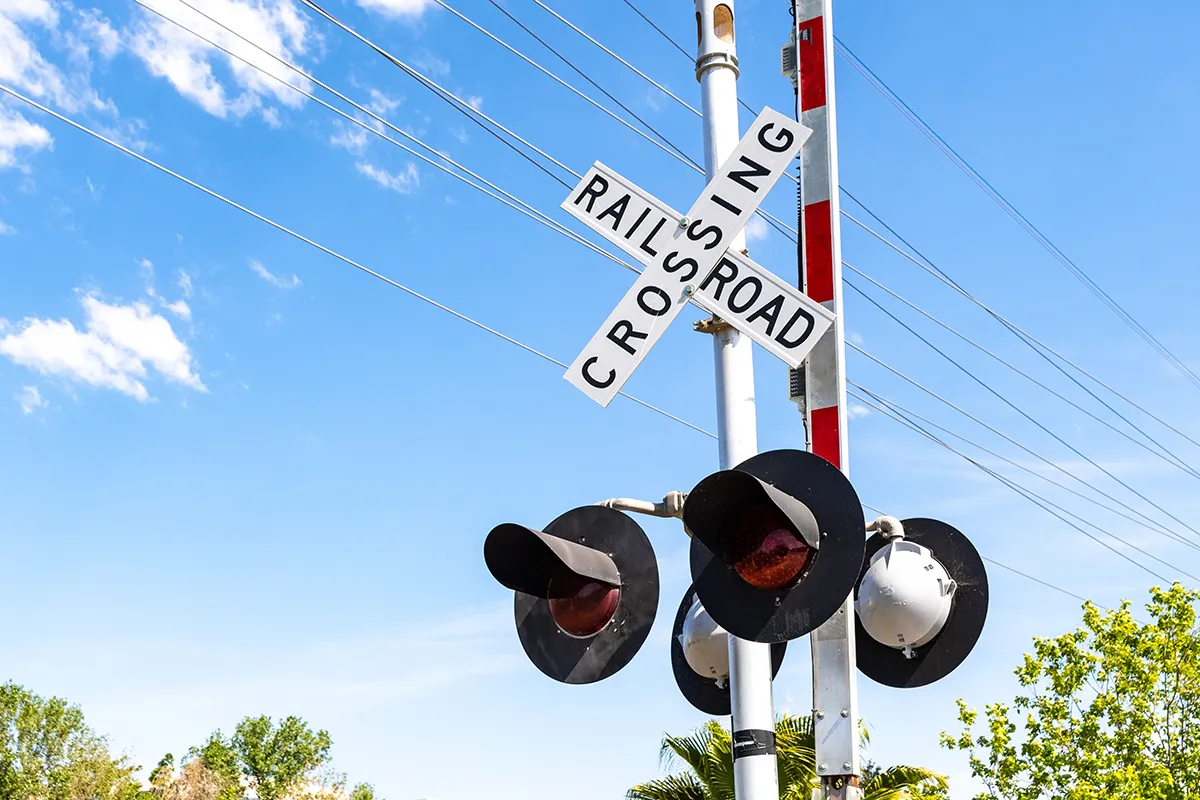
A Wharton County, Texas jury on April 20, 2026 returned a $22.45 million verdict against Kansas City Southern Railway (now Canadian Pacific Kansas City Railway) for the death of Marina Amaya and serious injuries to two others in a train-vehicle collision at a rural crossing. The Amaya family, represented by Trevor Courtney of Houston-based Arnold & Itkin LLP, alleged the railroad failed to install lights, bells, or crossing arms at a crossing plaintiffs characterized as one of the most dangerous on the railroad's North American system. After delivering the verdict, jurors asked the court to compel the railroad to complete safety upgrades at the crossing.
Case at a Glance
- Verdict: $22,450,000
- Case Type: Wrongful Death and Personal Injury
- Court: Wharton County, Texas
- Verdict Date: April 20, 2026
- Plaintiffs: Jairo Amaya, Telma Morales, and the estate of Marina Amaya
- Defendant: Kansas City Southern Railway (now Canadian Pacific Kansas City Railway)
- Plaintiff Attorney: Trevor Courtney, Arnold & Itkin LLP
What Happened at the Railroad Crossing?
According to the complaint, Jairo Amaya was driving a vehicle carrying Marina Amaya and Telma Morales when a Kansas City Southern train struck the car at a rural Wharton County crossing. Marina Amaya was killed in the collision. Telma Morales suffered serious injuries, and Jairo Amaya, 22 at the time of the crash, survived and later served as a plaintiff. Marina Amaya left behind two daughters, Ashley and Breidy. Ashley was four years old at the time of her mother's death, and Breidy, then a high school senior, began working to help care for her younger sister.
Why Did the Jury Hold the Railroad Liable?
The plaintiffs' liability theory focused on the railroad's failure to install active safety protections at the crossing. According to the Arnold & Itkin press release, the crossing had no lights, bells, or gates despite meeting criteria the plaintiffs argued should have triggered an upgrade. Plaintiffs alleged the railroad ranked the crossing among the most dangerous in its North American network.
Notably, jurors did not stop at a damages award. After the verdict, the jury asked the trial court to order the railroad to complete safety upgrades at the crossing, a request that signals the panel viewed the absence of protections as an ongoing public hazard rather than an isolated omission.
How Railroad-Crossing Liability Works in Texas
Texas recognizes a railroad's duty to maintain its crossings and to install warning devices appropriate to the hazard at each crossing. Where a rural or "passive" crossing carries traffic patterns, sight-line obstructions, or train-speed profiles that make a collision reasonably foreseeable, courts allow juries to consider whether the railroad should have upgraded protections. Federal preemption under the Federal Railroad Safety Act limits some claims tied to federally funded warning devices, but plaintiffs frequently recover when the claim is framed around state-law duties the federal scheme does not displace.
What Damages Did the Jury Award?
The Arnold & Itkin announcement reports a total of $22.45 million without a public breakdown between Marina Amaya's wrongful-death damages, Morales's personal-injury damages, and any derivative claims by surviving family members. The release does not indicate whether any portion of the award is punitive. No appeal has been announced as of publication.
Why This Verdict Matters for Plaintiff Lawyers
For plaintiff attorneys working rail and transportation cases, the Wharton County verdict is a reminder that rural crossing cases remain viable in Texas state court when framed around documented risk rankings and the availability of affordable active protections. The jury's post-verdict request for safety upgrades also illustrates how plaintiff counsel can turn defect evidence into a durable public-safety narrative that juries carry into their damages thinking. Lawyers tracking Class I railroad litigation should watch whether Canadian Pacific Kansas City, the post-merger entity, installs protections at the crossing and whether other pending Amaya-style cases in Texas build on this outcome. Similar cases are aggregated in the personal injury verdict news hub.
Verdicts like this one deserve to be seen. Major Verdict is the only platform where plaintiff attorneys can publicly display their trial results and settlements, for free. Create your profile today and let your record speak for itself.
Frequently Asked Questions
Q: Is a railroad required to install lights, bells, and gates at every crossing?
No. Federal and state rules distinguish between "active" crossings, which use lights and gates, and "passive" crossings, which rely on signs. The level of protection depends on traffic volume, train speed, sight distance, and historical incident data. Where a passive crossing meets upgrade criteria and a collision results, juries can find the railroad breached its duty of care.
Q: Can families sue a railroad after a fatal crossing collision?
Yes. Surviving family members in Texas can bring wrongful-death claims against a railroad for the death of a spouse, parent, or child, and the estate can bring a survival action for the decedent's pre-death damages. Injured passengers and drivers bring personal-injury claims in the same suit. Damages can include pain and suffering, loss of companionship, lost earnings, and future care. Families seeking local counsel can start with the Texas personal injury attorneys directory.
Q: What does the jury's request for safety upgrades mean legally?
A jury's written recommendation to install protections is not itself a court order. The trial judge may issue injunctive relief where the pleadings and proof support it, but absent a formal injunction the recommendation operates as a public signal rather than a binding directive. Plaintiffs' counsel frequently publicize such requests to pressure compliance. Additional context is available in the Texas personal injury public resources.
NOT FOR REPRINT
© 2026 Major Verdict, LLC. All rights reserved. For more information visit our reuse and editorial standards information.