
Latest Toxic Tort Verdict & Settlement News

Browse all verdict news articles related to toxic tort cases.
Toxic Tort
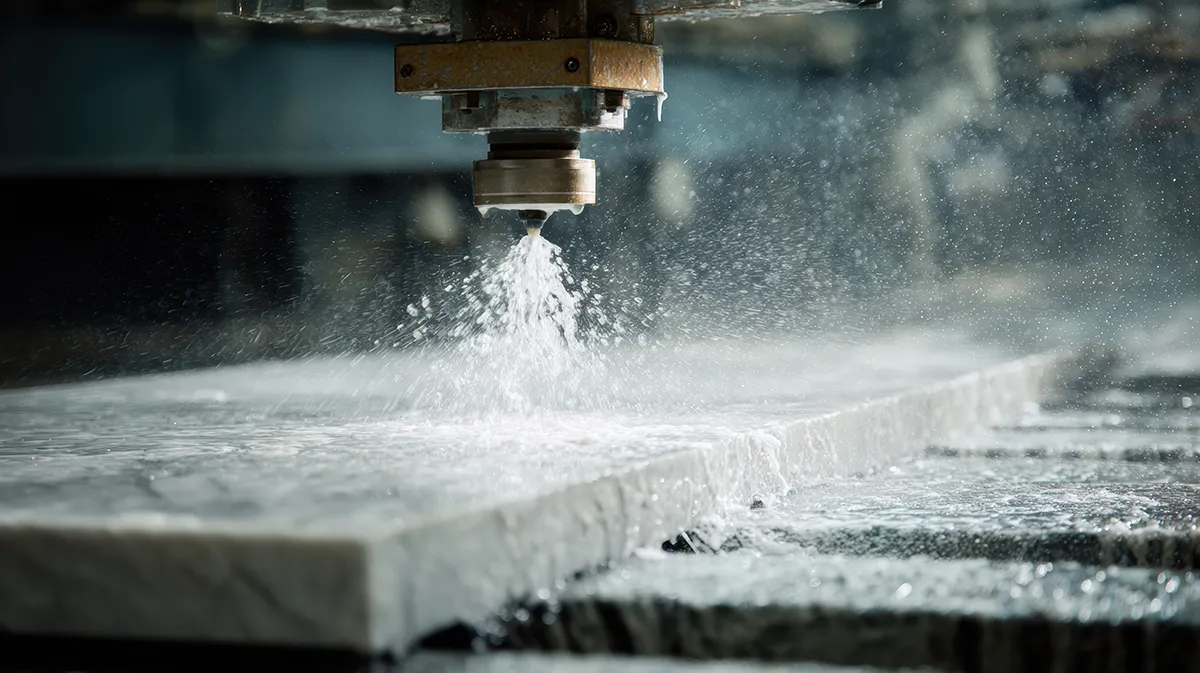
Stone countertop being manufactured

$17.45M Colorado Verdict in First Artificial Stone Silicosis Case

A Denver jury returned a $17,450,000 verdict on April 30, 2026, in Colorado's first artificial stone countertop silicosis case. The jury found that engineered stone manufacturer Cambria Co., LLC and Hyundai USA LLC misrepresented the safety of quartz slabs that left a 31-year-old fabricator with progressive lung disease and chronic kidney disease. The Denver County District Court jury allocated 32% of fault to Cambria and 3% to Hyundai USA, awarding plaintiffs Tyler Jordan and Caitlin Jordan compensation across economic, non-economic, impairment, and consortium damages. Plaintiffs were represented by Evan Hoffman, Leah McMorris, Grecia Perez, and partner James Nevin of Brayton Purcell LLP. The case is only the third artificial stone silicosis matter to reach a verdict anywhere in the United States.Case at a Glance Verdict: $17,450,000 Case Type: Toxic Tort / Product Liability (Artificial Stone Silicosis) Court: Denver County District Court, Colorado (Case No. 2024CV31180) Verdict Date: April 30, 2026 Plaintiffs: Tyler Jordan and Caitlin Jordan Defendants: Cambria Co., LLC (32% liable); Hyundai USA LLC (3% liable) Plaintiff Attorneys: Evan Hoffman, Leah McMorris, Grecia Perez, and James Nevin (Brayton Purcell LLP)What Did the Jury Award? The Denver jury divided the $17,450,000 verdict into four damage categories. Economic damages totaled $7,600,000. Non-economic damages came to $1,650,000. Physical impairment damages reached another $7,600,000. The jury also awarded $600,000 to Caitlin Jordan for loss of consortium. The total reflects the comparative-fault allocation of 32% against Cambria Co., LLC and 3% against Hyundai USA LLC under Colorado's modified comparative fault scheme. No punitive damages were awarded.How Engineered Stone Causes Silicosis Artificial stone, also called engineered stone or quartz countertop slab, is manufactured by binding crushed quartz with polymers and pigments. Quartz is composed almost entirely of crystalline silica. When fabricators cut, grind, and polish slabs to install in kitchens and bathrooms, they generate fine respirable silica dust. Inhaled over time, that dust scars lung tissue and causes silicosis, an irreversible and often progressive disease that can also damage the kidneys. Tyler Jordan was 31 years old at the time of the verdict. According to court filings, his exposure to silica during stone fabrication caused both artificial stone silicosis and silica-related chronic kidney disease, along with respiratory impairment.Why the Jury Held Cambria and Hyundai USA Liable The plaintiffs' theory of liability against both defendants rested on misrepresentation. Brayton Purcell argued that Cambria and Hyundai USA marketed their products as "pure natural quartz" without warning fabricators or end users of the extreme respiratory and kidney hazards generated when the engineered slabs are cut and polished. The case against Hyundai USA also included a negligence count. The jury agreed, allocating 32% of fault to Cambria Co., LLC and 3% to Hyundai USA LLC. "This verdict is about accountability," said plaintiff attorney Evan Hoffman of Brayton Purcell LLP. The defendants were represented by Claire Weglarz and Khaled Taqi-Eddin of Womble Bond Dickinson, and by Rey Yang and Johanna Boktor of Yang Professional Law Corporation.Why This Stone Silicosis Verdict Matters Nationally Artificial stone silicosis is an emerging occupational health crisis. Public health agencies have documented a sharp rise in cases among young countertop fabricators, with some progressing to lung transplant or death within a few years of diagnosis. California became the first state to require enhanced workplace protections for stone fabrication shops after a wave of cases there, and other state regulators are following. The Tyler Jordan verdict is the first to reach a Colorado courtroom and only the third nationally. The result is expected to draw additional plaintiff filings in states where stone fabrication shops operate without strict respiratory controls. Brayton Purcell, historically known for asbestos litigation, has built a dedicated stone silicosis team and is actively investigating new cases. The verdict also signals to the engineered stone industry that misrepresentation theories, alleging slabs were sold as "natural quartz" without hazard warnings, can survive trial and produce eight-figure jury awards. Look for similar personal injury verdict news in Colorado as toxic-tort filings continue to climb. If you or someone you love has developed silicosis, lung disease, or kidney disease after working with engineered stone countertops, verdicts like this show what juries are willing to award when manufacturers fail to warn of known hazards. Find a plaintiff lawyer on Major Verdict with the trial record to take on artificial stone silicosis cases.Frequently Asked Questions Q: What is artificial stone silicosis? Artificial stone silicosis is a lung disease caused by inhaling fine crystalline silica dust during the cutting, grinding, and polishing of engineered or "artificial" stone slabs. Engineered stone contains far more silica than natural granite, and exposure can produce severe and progressive lung scarring, sometimes within a few years. Silica exposure can also cause chronic kidney disease, as alleged in the Tyler Jordan case. Q: What were the damages in the Tyler Jordan verdict? The Denver jury awarded $7,600,000 in economic damages, $1,650,000 in non-economic damages, $7,600,000 in physical impairment damages, and $600,000 to Caitlin Jordan for loss of consortium. The $17,450,000 total was allocated under Colorado's comparative fault rules, with Cambria Co., LLC found 32% liable and Hyundai USA LLC found 3% liable. Q: Why is this verdict significant for stone silicosis litigation? It is the first artificial stone silicosis case to reach a verdict in Colorado and only the third nationally. The result confirms that misrepresentation theories, alleging manufacturers marketed engineered stone as "pure natural quartz" without warning of the silica hazard, can produce eight-figure jury awards in this emerging mass tort area.

Toxic Tort
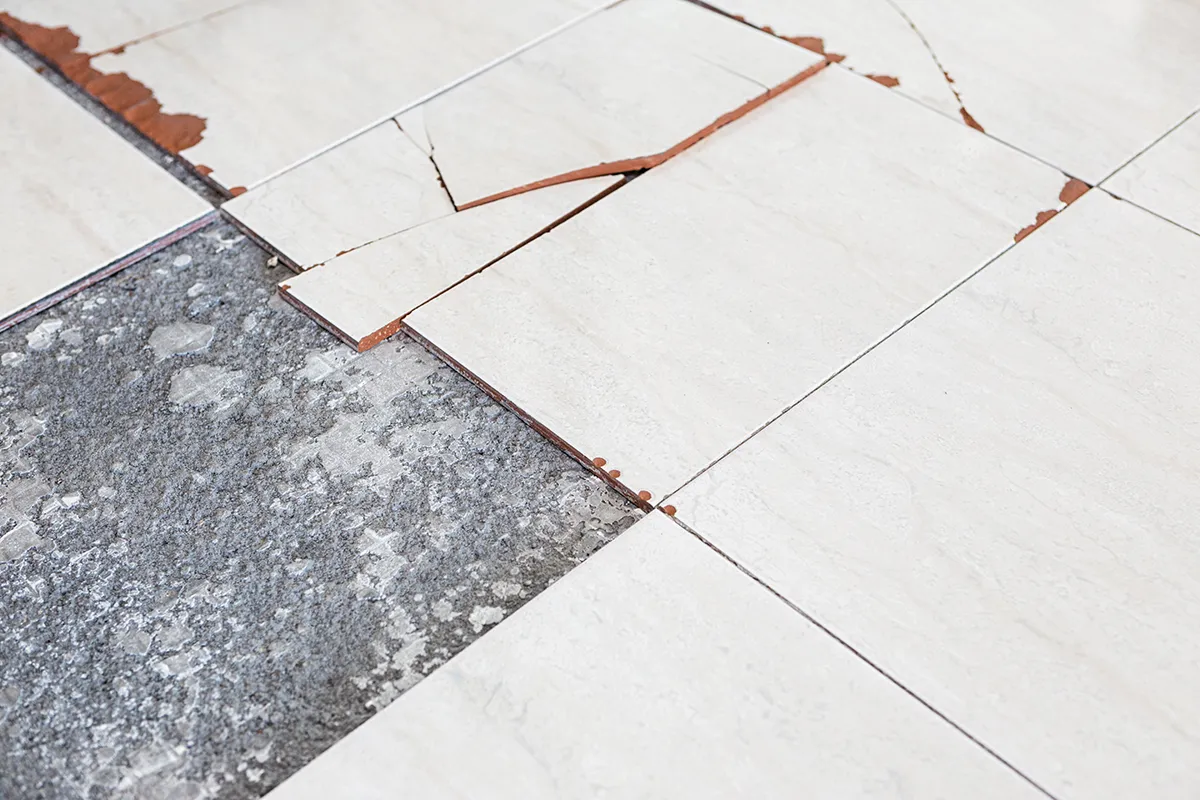
Asbestos floor tiles being removed

New York Jury Hits American Biltrite With $25 Million Asbestos Tile Verdict

A New York County jury awarded $25 million on April 29, 2026 to a mesothelioma victim who blamed his cancer on years of installing and removing American Biltrite's Amtico-brand asbestos floor tiles. The verdict, returned before the Honorable Judy J. Kim, included $20 million in compensatory damages and $5 million in punitive damages against American Biltrite, Inc. Plaintiff partners Brittany A. Russell and Pierre Ratzki of Weitz & Luxenberg tried the case.Case at a Glance Verdict: $25,000,000 Case Type: Asbestos product liability (mesothelioma) Court: New York County, New York Verdict Date: April 29, 2026 Defendant: American Biltrite, Inc. Plaintiff Attorneys: Brittany A. Russell and Pierre Ratzki, Weitz & LuxenbergWhat Did the Jury Award? The jury split the $25 million into two distinct categories. Compensatory damages totaled $20 million, with the panel awarding $10 million for past pain and suffering and another $10 million for future pain and suffering. On top of that, the jury added $5 million in punitive damages, finding that American Biltrite acted with wanton, reckless, and malicious disregard for the safety of people exposed to its products. The split is unusual in its symmetry. Equal awards for past and future pain and suffering signal a jury that took the plaintiff's ongoing prognosis seriously, treating mesothelioma not as a closed injury but as a continuing one.How Was the Plaintiff Exposed? According to the firm, the plaintiff was exposed to asbestos through years of installing and removing Amtico-brand floor tiles manufactured by American Biltrite. Cutting, scraping, and removing asbestos-containing tiles releases respirable fibers, and floor tile installers have long been recognized as a high-risk occupational group in mesothelioma research. The plaintiff was later diagnosed with mesothelioma, the aggressive cancer of the lining of the lungs, abdomen, or heart that is almost exclusively linked to asbestos exposure. The latency period between exposure and diagnosis typically runs 20 to 50 years.Why Did the Jury Award Punitive Damages? The punitive damages turned on a single fact that Weitz & Luxenberg put squarely in front of the jury. "By 1981, American Biltrite had developed a patent to manufacture a non-asbestos tile using the same manufacturing process and equipment it used for asbestos tiles," plaintiff's counsel stated. That detail reframes the case. The argument is not just that American Biltrite sold a hazardous product, but that the company knew how to make a safer alternative on the same equipment and continued selling the asbestos version anyway. New York juries can award punitive damages when a defendant's conduct rises above ordinary negligence and shows conscious disregard for public safety, and the 1981 patent gave the jury a concrete date to anchor that finding.What This Verdict Means for Asbestos Litigation The $25 million award lands in the heart of the New York verdict news docket, where Weitz & Luxenberg has built a long track record. The firm secured a $117 million single-plaintiff verdict in 2025, also led by Brittany A. Russell, and a string of eight-figure mesothelioma awards before that. For floor tile cases specifically, the verdict reinforces a pattern. Tile installers, removers, and renovation workers continue to file claims decades after their exposures, and juries continue to credit the medical link between cumulative low-dose exposure and mesothelioma. Manufacturers facing this docket have to contend not only with the science but with their own historical paper trails, including patents, internal memos, and product specs that document what they knew and when. The verdict is subject to potential post-trial motions and appeal. If you or someone you love has been seriously injured, verdicts like this one show what juries are willing to award when the evidence is strong and the attorney is prepared. Find a plaintiff lawyer on Major Verdict who has the trial record to back it up.Frequently Asked Questions Q: What is mesothelioma, and why is it linked to asbestos floor tiles? Mesothelioma is a cancer of the thin tissue that lines the lungs, abdomen, or heart, and it is overwhelmingly caused by inhaling or ingesting asbestos fibers. Floor tiles manufactured with asbestos release respirable fibers when they are cut, sanded, scraped, or broken during installation and removal, putting installers, demolition workers, and renovators at elevated risk. Because the disease has a 20 to 50 year latency period, diagnoses today often trace back to exposures from the 1960s, 1970s, and early 1980s. Q: Why do asbestos juries award punitive damages? Punitive damages are reserved for conduct that goes beyond ordinary negligence and shows conscious disregard for safety. In asbestos cases, juries often hear evidence that manufacturers knew about the cancer risk for decades but continued selling asbestos products, sometimes even after a non-asbestos alternative was available on the same equipment. When that history is documented in patents, internal correspondence, or industry studies, juries have grounds to find the kind of reckless or malicious conduct that supports a punitive award. Q: Can someone still sue for asbestos exposure that happened decades ago? In most states, yes. Mesothelioma's long latency period is built into how the law treats these cases, and the statute of limitations typically begins to run from the date of diagnosis rather than the date of exposure. The specific deadline varies by state and depends on whether the claim is brought as a personal injury or a wrongful death action, so anyone diagnosed with mesothelioma should consult a plaintiff attorney experienced in asbestos litigation as soon as possible.

Toxic Tort

$70M Verdict - Alabama Jury Holds Tyson Farms Accountable in Flesh-Eating Bacteria Case

A Walker County, Alabama jury delivered a $70 million verdict on March 27, 2026, against Tyson Farms, Inc. and HydraService, Inc. after a boat repairman developed necrotizing fasciitis following a massive wastewater spill into the Black Warrior River. The verdict is the largest in Walker County history. Mark Griffin, a Dora, Alabama resident, has been battling the consequences of that exposure for nearly seven years. According to his attorneys, Griffin still has a bone infection and an open wound today.A Spill That Contaminated a Community's Drinking Water Source In June 2019, approximately 220,000 gallons of chicken rendering wastewater from a Tyson Farms facility in Hanceville, Alabama, spilled into the Mulberry Fork of the Black Warrior River. The wastewater included chicken heads, beaks, blood, bones, and intestines. The Alabama Department of Environmental Management determined the spill occurred when a temporary pipe system, rented from and maintained by HydraService, Inc., failed. The Mulberry Fork flows into the Black Warrior River, which serves as the primary drinking water source for much of Walker County, processed at the Laye-Williams Water Treatment Plant. The 2019 incident was the fourth spill from the Hanceville facility since 2011 and previously resulted in a $3 million settlement with the State of Alabama requiring Tyson to take corrective steps.Boat Repairman Develops Necrotizing Fasciitis Griffin was working as a boat repairman at the time of the spill. According to a statement from his attorneys, he began feeling ill shortly after the incident. Following multiple rounds of treatment and testing, doctors diagnosed him with necrotizing fasciitis, a severe bacterial infection that destroys the body's soft tissue. Court records detail the extensive medical procedures Griffin has endured in the years since. As of the verdict, his legal team confirmed he continues to deal with a bone infection and an open wound. Griffin filed suit in 2020 against Tyson Farms, Inc. and HydraService, Inc., alleging the contaminated wastewater caused his illness.Four-Week Trial, Record Verdict The trial lasted four weeks and featured testimony from more than a dozen witnesses. On March 27, 2026, the jury returned a verdict finding: Wantonness against Tyson Farms, Inc. Negligence against HydraService, Inc. The $70 million award surpasses the previous Walker County record of $10 million, set in a 2017 medical malpractice case handled by two of the same firms involved in this matter.The Legal Team Behind the Win Griffin was represented by two Alabama plaintiff firms working as co-counsel: Josh Vick and Dennis Goldasich of Goldasich, Vick & Fulk Attorneys at Law Bob Bryan and Clay Boylen of Nelson, Bryan, Boylen & Cross in Jasper, Alabama "Our firm has been honored to represent Mr. Griffin in this case," said Vick. "Mark is a great guy and unbelievably resilient. He's been through so much over the past seven years, and to be able to obtain this kind of result for him is simply incredible." Co-counsel Goldasich added: "We are extremely grateful to the jury for their hard work and attentiveness over the course of a four-week trial." Bryan called it "a historic accomplishment," and Boylen said the verdict was "a historic moment for Walker County."Tyson's Response and Ongoing Operations Tyson Foods, which owns Tyson Farms, Inc., issued a statement saying it respects the jury's decision but is "disappointed in the outcome," maintaining that the 2019 spill did not cause Griffin's injuries. The company extended sympathy to Griffin and pointed to infrastructure investments made at the Hanceville facility since acquiring it in August 2018, including permanent underground piping and new air scrubbers. WBRC reported that attorneys for Tyson Farms and HydraService did not respond to requests for comment at the time of publication.What This Verdict Signals for Environmental Liability Cases The Griffin verdict illustrates how juries respond when a defendant's conduct goes beyond ordinary negligence. The jury's finding of wantonness against Tyson Farms carries particular weight, reflecting a determination that the company's conduct was more than careless. For plaintiff attorneys handling environmental exposure and toxic tort cases, the outcome underscores the value of thorough preparation and willingness to take a complex case to trial. Plaintiff lawyers who handle verdicts of this magnitude in Alabama and across the country can showcase their results on Major Verdict, the only platform dedicated to publicly displaying plaintiff trial outcomes and notable settlements. If you or someone you love has been injured due to environmental contamination or toxic exposure, verdicts like this one reflect what juries are prepared to award when the evidence is strong and the legal team is prepared. Find a plaintiff attorney with a proven trial record at Major Verdict.


Member Search

Latest Featured Members

View All Major Verdict Members
Search Members by State
Sample 1 Sample 2 Sample 3 Sample 4 Sample 5 Sample 6 Sample 7 Sample 8 Sample 9 Sample 10 Sample 11 Sample 12
Sample 13 Sample 14 Sample 15 Sample 16 Sample 17 Sample 18 Sample 19 Sample 20 Sample 21 Sample 22 Sample 23 Sample 24
Sample 32 Sample 25 Sample 26 Sample 27 Sample 28 Sample 29 Sample 30 Sample 31 Sample 33 Sample 34 Sample 35 Sample 36
Sample 37 Sample 38 Sample 39 Sample 40 Sample 41 Sample 42 Sample 43 Sample 44 Sample 45 Sample 46 Sample 47 Sample 48

Plaintiff trial attorneys. Join now for free!

ShowcaseYour Experience

Major Verdict gives you a free public profile to showcase your hard-earned trial verdicts and notable settlements. Let your results speak for themselves to potential clients and peers nationwide. You control what you share, when you edit, and how your public record is presented.