
Latest Personal Injury Verdict News from Minnesota

Browse all personal injury verdict news from Minnesota.

Other useful Minnesota links: Minnesota personal injury resources for the public. Browse some of the most experienced injury attorneys in Minnesota.
Product Liability
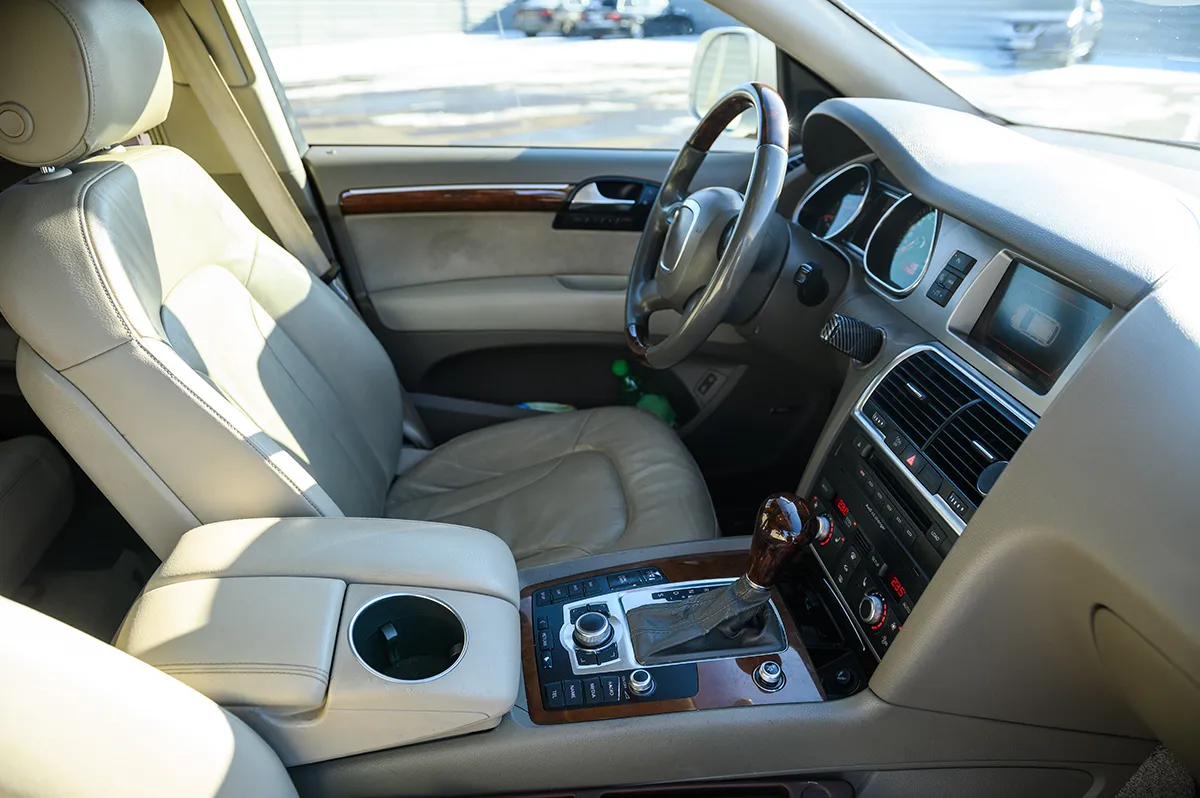
Interior of SUV showing center console and shifter

Minnesota Jury Delivers $18 Million Jeep Grand Cherokee Rollaway Verdict After Leg Amputation

A Dakota County, Minnesota jury on April 20, 2026 returned an $18 million verdict against FCA US LLC, the parent of Chrysler and Jeep, in a Jeep Grand Cherokee rollaway case that cost plaintiff Jeffrey Wu his leg. The jury in the First District Court of Minnesota found the vehicle's monostable gear shifter was defective and held the manufacturer responsible for the harm to Wu and his wife, Ting Yang. Plaintiff attorneys Kyle Farrar and Wes Ball of Kaster Lynch Farrar & Ball, along with Genevieve Zimmerman of Meshbesher & Spence, represented the family. The case is docketed as 19HA-CV-23-981.Case at a Glance Verdict: $18,000,000 Case Type: Product Liability (Automotive Defect) Court: First District Court of Minnesota, Dakota County Verdict Date: April 20, 2026 Plaintiffs: Jeffrey Wu and Ting Yang Defendant: FCA US LLC (Chrysler) Plaintiff Attorneys: Kyle Farrar and Wes Ball (Kaster Lynch Farrar & Ball, LLP); Genevieve Zimmerman (Meshbesher & Spence) Vehicle: 2014 Jeep Grand Cherokee Case Number: 19HA-CV-23-981What Happened in the Jeep Grand Cherokee Rollaway Incident? In March 2022, Wu exited his 2014 Jeep Grand Cherokee after believing he had shifted it into park. The vehicle's monostable gear shifter, a stick-style selector that returns to a center position regardless of the gear selected, did not reflect the actual gear state. The Jeep rolled backward while Wu was outside the vehicle and struck him with enough force to require amputation of his left leg. His wife Ting Yang joined as a plaintiff and sought damages for loss of services and companionship.Why Did the Jury Find the Shifter Defective? The plaintiffs' case centered on a design Chrysler used in the 2014 and 2015 Grand Cherokee and several other FCA models. The monostable shifter presents the same physical position for park, reverse, and drive, with only a small readout to confirm the selected gear. Farrar and his co-counsel argued Chrysler knew drivers were exiting vehicles that were not actually in park and that the company chose not to install an available AutoPark backup system that would have stopped rollaways before they caused injuries.How Does This Verdict Fit Chrysler's Shifter History? The monostable shifter has been the focus of federal safety action and civil litigation for nearly a decade. FCA recalled roughly 1.1 million vehicles with the shifter in 2016 after the National Highway Traffic Safety Administration linked the design to hundreds of rollaway complaints and dozens of injuries. Actor Anton Yelchin died in 2016 when his 2015 Jeep Grand Cherokee rolled and pinned him against a gate. A federal multidistrict litigation in Michigan produced a split result in 2022, with a jury clearing FCA under most state laws but finding for plaintiffs under Utah law. The Dakota County verdict is one of the larger individual state-court awards tied to the shifter and signals that juries remain willing to hold FCA liable where state product liability law allows.What Damages Did the Jury Award? Court records show the $18 million covers pain, emotional distress, disfigurement, medical expenses and future care, lost earnings, and loss of services and companionship for Yang. The jury did not separately itemize punitive damages on the verdict form, and no appeal has been announced as of publication. Zimmerman, speaking after the verdict, said the "jury saw past Chrysler's excuses and held it responsible for the harm."Why This Verdict Matters for Plaintiff Lawyers For plaintiff attorneys handling personal injury verdict news in the automotive defect space, the Wu verdict is a reminder that rollaway cases tied to the monostable shifter remain viable in state court despite the mixed federal MDL outcome. It also confirms that loss-of-limb damages combined with a spousal consortium claim can support eight-figure awards in Minnesota. Lawyers tracking FCA litigation should note the use of the available AutoPark system as a central design-defect theory, a framing that gave the jury a clear alternative the manufacturer failed to adopt. Verdicts like this one deserve to be seen. Major Verdict is the only platform where plaintiff attorneys can publicly display their trial results and settlements, for free. Create your profile today and let your record speak for itself.Frequently Asked Questions Q: What is a monostable gear shifter? A monostable shifter is an electronic gear selector that returns to the same physical center position after each use, regardless of whether the driver selected park, reverse, or drive. Unlike a traditional shifter where the lever rests in the selected gear, monostable designs rely on a small display to show the current gear. Drivers who step out without confirming park on the readout can leave the vehicle in drive or reverse. Q: Can you sue after a Jeep rollaway accident? Yes. Victims of rollaway incidents tied to known shifter defects typically bring product liability claims against the manufacturer, alleging design defect, failure to warn, or inadequate safety backup systems. State law controls whether punitive damages are available and how comparative fault is handled. Injured drivers in Minnesota can find local counsel through the Minnesota personal injury attorneys directory. Q: Is the monostable shifter still on the road? FCA recalled approximately 1.1 million vehicles with the monostable shifter in 2016 and pushed a software update intended to reduce the risk of rollaways. Many of those vehicles remain in service, and cases continue to be filed when the software update is alleged to be insufficient. Additional background is available in the Minnesota personal injury public resources.

Wrongful Death

$17M Minnesota Wrongful Death Verdict Holds Killer Liable After Insanity Acquittal

A Ramsey County jury awarded $17 million to the family and trustee of Phanny Phay, a 28-year-old woman who was murdered by her then-boyfriend in 2017. The verdict came after her killer, Andre Duprey, had previously been found not guilty by reason of insanity in the criminal case walking free while Phay's family was left without answers, without closure, and without a forum to tell their story. That changed in civil court. The case, tried on an intentional tort wrongful death theory, presented a question that cut to the heart of how the civil justice system treats violence committed by someone with a documented mental illness: does a defendant's psychiatric state excuse the act when a jury is deciding civil liability? In Minnesota, at least in this case, the answer was no.A Brutal Crime, a Criminal Acquittal, and a Family Left Behind In 2017, Andre Duprey allegedly believed he was seeing a demon when he attacked Phanny Phay. He stabbed her 45 times and shot her in the neck twice with a shotgun. Phay was 28 years old. She had been working toward a career in medicine, aspiring to become a pediatrician. Duprey was charged with second-degree murder. At trial, he was found not guilty by reason of insanity and was committed to the Minnesota Forensic Mental Health Program in St. Peter. The Phay family never got to address the court. There was no criminal sentence, no victim impact statement, and no public accounting of what happened to their daughter and sister. "He was just shipped out to St. Peter," said Paul Appelbaum of the Appelbaum Law Firm, who represented the family in the civil case. "It is so important for people to be able to tell their story. They didn't get to."The Civil Case: Intentional Tort, Not Negligence Appelbaum, joined by Megan Curtis of Megan Curtis Law PLLC, filed a civil wrongful death suit on behalf of Phay's family and her trustee. The legal theory mattered enormously. Rather than alleging negligence, the attorneys pursued an intentional tort wrongful death claim. That distinction shaped everything about how the case was tried, argued, and ultimately decided. Under Minnesota civil law, Duprey's mental illness or diminished capacity was not a defense to intentional tort wrongful death liability. Judge Mark Ireland ruled that Duprey could testify about what he believed he witnessed the night of the killing, but the jury received an instruction making clear that mental illness was not an excuse for civil liability. "We wanted to be fair to the situation that happened and not try to mislead the jury as to the facts," Curtis explained, "but his NGRI in the criminal is not a defense in the civil wrongful death."Threading the Needle: Trial Strategy in an Unusual Case The case presented strategic challenges that Appelbaum and Curtis describe as genuinely tricky. Duprey had been released from the forensic mental health program by the time the civil trial was held. The Phay family only learned this when Duprey approached them at a restaurant during the case and expressed remorse. That dynamic followed the case into the courtroom. Duprey was present throughout the trial, behaving calmly. The attorneys had to account for how the jury might perceive that. Appelbaum's closing argument centered on a pointed legal principle: mistaken identity is not a defense to intentional tort wrongful death. Duprey believed Phay was a demon. He still chose to kill the person in front of him. "You still intended to kill the body that was in front of you," Curtis summarized. The jury absorbed that framework. After a few hours of deliberation, they returned a verdict of $17 million in favor of the family. With pre-judgment interest, the total recovery is expected to reach approximately $19 million, according to Curtis.What the Verdict Meant Beyond the Dollar Figure Appelbaum was candid that the size of the award, while significant, is not the measure of what this case delivered. Duprey, by all accounts, has no assets to satisfy the judgment. "My motivation was, we know this guy doesn't have any money," Appelbaum said. "It's more that we fell in love with the family." What the civil process gave the Phay family was something the criminal proceeding never could: a full hearing. Through discovery and subpoenas, the attorneys were able to give the family context about what actually happened the night Phay was killed. They got to tell their story in open court. They got a public verdict. "Not only being able to tell their story, not only being able to hold him accountable in some way, but being able to get a little bit of closure that was really worth it for the family," Curtis said. For Appelbaum, the case stands as one of the most meaningful of a nearly 35-year career.A Verdict That Signals Something Larger This outcome in Ramsey County illustrates a principle that plaintiff attorneys handle carefully but powerfully: the civil courts operate on their own standards of accountability. A not-guilty verdict in a criminal case ends the criminal matter. It does not foreclose a civil remedy, and it does not determine civil liability. For families who feel abandoned by the criminal justice system after a violent loss, civil wrongful death litigation can offer a path to accountability that the criminal process cannot or will not provide. Plaintiff attorneys who handle cases like this one are doing work that requires deep trial skill, careful evidentiary strategy, and the willingness to fight for outcomes that go beyond the settlement check. If you are a plaintiff attorney with trial results that deserve to be seen, Major Verdict is the only platform where you can publicly display your verdicts and settlements, for free. Let your record speak for itself. And if you or your family have suffered a wrongful death and want to find an attorney with a proven trial record, browse plaintiff lawyers on Major Verdict to find someone who has handled cases like yours.


Member Search

Latest Featured Members

View All Major Verdict Members
Search Members by State
Sample 1 Sample 2 Sample 3 Sample 4 Sample 5 Sample 6 Sample 7 Sample 8 Sample 9 Sample 10 Sample 11 Sample 12
Sample 13 Sample 14 Sample 15 Sample 16 Sample 17 Sample 18 Sample 19 Sample 20 Sample 21 Sample 22 Sample 23 Sample 24
Sample 32 Sample 25 Sample 26 Sample 27 Sample 28 Sample 29 Sample 30 Sample 31 Sample 33 Sample 34 Sample 35 Sample 36
Sample 37 Sample 38 Sample 39 Sample 40 Sample 41 Sample 42 Sample 43 Sample 44 Sample 45 Sample 46 Sample 47 Sample 48

Plaintiff trial attorneys. Join now for free!

ShowcaseYour Experience

Major Verdict gives you a free public profile to showcase your hard-earned trial verdicts and notable settlements. Let your results speak for themselves to potential clients and peers nationwide. You control what you share, when you edit, and how your public record is presented.