
Latest Workplace Death Verdict & Settlement News

Browse all verdict news articles related to workplace death cases.
Workplace Death
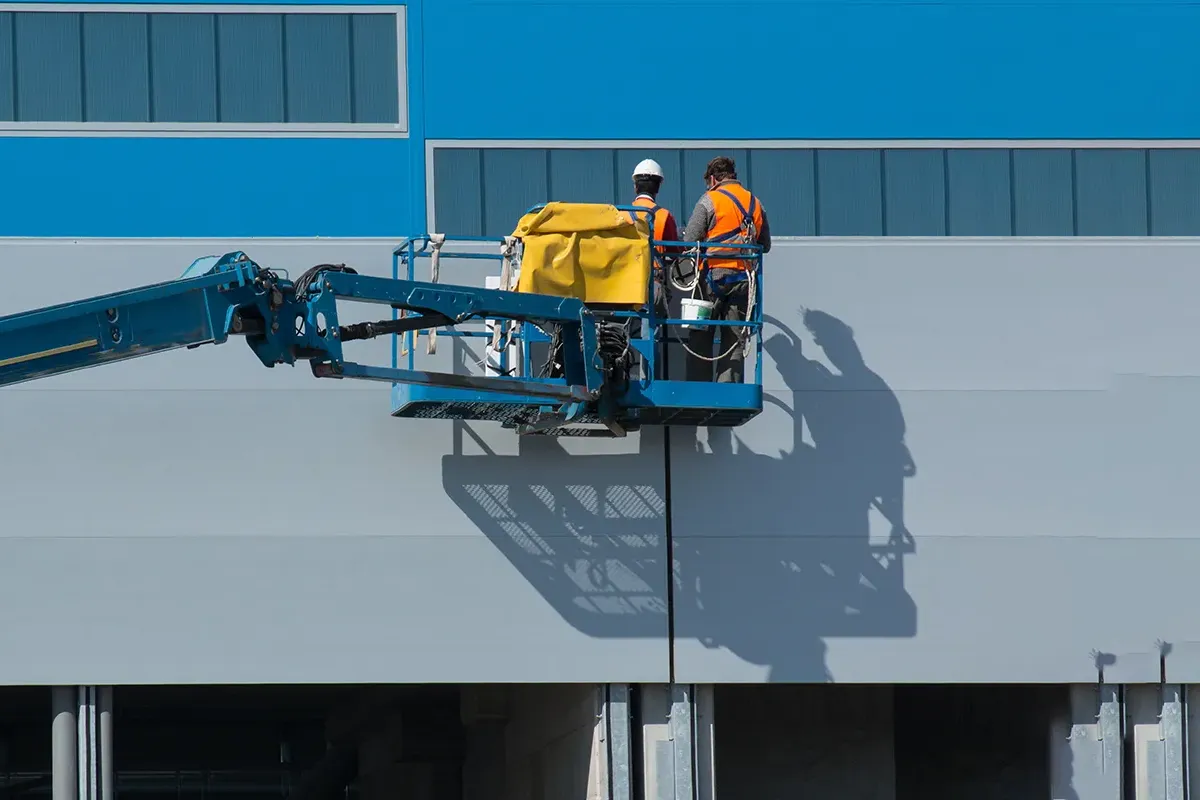
Two men working in a boom lift bucket on side of building

Delaware Jury Awards $18.2 Million in Boom Lift Wrongful Death Verdict for Two Brothers Killed in Bethany Beach

A Delaware Superior Court jury has awarded $18,228,409 to the family of two brothers killed when a Genie Z135/70 articulated boom lift toppled in high winds during a 2020 cell tower job in Bethany Beach. Jovan Maldonado-Andino, 23, and Bryan Maldonado-Andino, 22, were roughly 120 feet in the air installing antennas on the Sussex Water Company tower on November 2, 2020, when wind gusts toppled the lift. Sitting in New Castle County before Judge Francis J. Jones Jr., the jury found general contractor Nexius Solutions Inc. and worker training academy Myndco Inc. liable after a seven-day trial. The family was represented by David L. Kwass and Michael J. Zettlemoyer of Saltz Mongeluzzi Bendesky.Case at a Glance Verdict: $18,228,409 Case Type: Workplace Death / Wrongful Death Court: Delaware Superior Court, New Castle County Verdict Date: April 27, 2026 Plaintiff: Vanessa Andino, administratrix of the estates of Jovan and Bryan Maldonado-Andino Defendants: Nexius Solutions Inc.; Myndco Inc. Plaintiff Attorneys: David L. Kwass and Michael J. Zettlemoyer, Saltz Mongeluzzi BendeskyWhat Happened on the Bethany Beach Cell Tower Job? The two brothers were employed by Velex Inc., a telecommunications subcontractor, and had been hired to install cellphone antennas atop the Sussex Water Company tower in Bethany Beach. They entered the platform of a Genie Z135/70 articulated boom lift and were elevated roughly 120 feet above the ground. Wind gusts that day were reportedly between 35 and 44 mph, well above the lift's manufacturer-rated maximum wind threshold of 28 mph. The lift toppled, became tangled in nearby powerlines as it fell, and the brothers were killed. Velex was later cited by the federal Occupational Safety and Health Administration for three serious violations connected to the incident.How Did the Jury Find Nexius and Myndco Liable for the Boom Lift Tipover? Plaintiffs' counsel argued at trial that Nexius Solutions, as the project's general contractor, had contractually agreed with Velex to oversee safety on the job. The general contractor also maintained its own internal policy prohibiting aerial lift use when winds exceeded 20 mph. Despite that policy, the brothers were sent up in reported conditions at nearly twice the company's stated threshold. The plaintiffs also argued that Myndco Inc., the training academy responsible for certifying the workers on aerial lift operations, failed to provide adequate operator training for the Genie Z135/70. The jury agreed, returning verdicts totaling $18,228,409 against both defendants. A third defendant, Sunbelt Rentals Inc., which had rented the lift to Velex, reached a confidential settlement with the family in March 2026 and was dismissed from the case before trial.Why This Boom Lift Verdict Matters for Plaintiff Attorneys The case is a current Delaware data point on workplace wrongful death damages. Both decedents were young, single, and earning entry-level subcontracted wages, a common defense lever for arguing depressed economic damages. The eight-figure award here suggests the New Castle County jury weighed the value of a life rather than a paycheck, and rejected attempts to allocate fault to the deceased workers themselves. The liability theory is also one plaintiff lawyers will recognize. General contractors who retain a written safety oversight role over subcontractors carry direct duty exposure, particularly where the GC's own policy is more restrictive than the equipment manufacturer's. Plaintiff attorneys handling Delaware verdict news and similar workplace death cases can use this verdict as a benchmark for both compensatory damages and the strength of the contractual safety duty argument.Who Represented the Plaintiffs? The family was represented by Saltz Mongeluzzi Bendesky partners David L. Kwass and Michael J. Zettlemoyer. Kwass is co-chair of the American Association for Justice's Crane and Aerial Lift Litigation Group and has tried similar tipover cases for nearly three decades. Defense counsel included Marc Perry and R. Joseph Hrubiec of Post & Schell, and Walter O'Brien and Krista Shevlin of Weber Gallagher. Major Verdict tracks significant plaintiff verdicts and settlements across all 50 states. Browse the latest results or find a Delaware plaintiff attorney with a proven trial record in workplace death and construction injury cases.Frequently Asked Questions Q: Why were the general contractor and the training company liable when the workers' direct employer was Velex? Under Delaware law, a general contractor who contractually retains responsibility for jobsite safety can be sued directly for negligence. That's a separate path from any claim against the workers' direct employer, which is typically shielded by the workers' compensation bar. The plaintiffs argued that Nexius Solutions had agreed to oversee safety operations and had its own wind-threshold policy, both of which created an independent duty owed to workers on the project. Myndco was a training academy, not the workers' employer, so the workers' compensation bar did not apply to it either. Q: What is the wind threshold for a Genie Z135/70 boom lift? The Genie Z135/70 articulated boom lift's maximum operating wind speed is 28 miles per hour, per the manufacturer's specifications referenced at trial. On the day of the incident, winds were reportedly gusting at 35 to 44 mph, well above that threshold. Nexius's own internal safety policy was stricter, prohibiting aerial lift use above 20 mph. Q: Is the verdict final, or can the defendants appeal? The Delaware Superior Court entered judgment against Nexius Solutions and Myndco for $18,228,409 on April 27, 2026. The defendants may file post-trial motions or appeal the judgment to the Delaware Supreme Court, but no appeal had been reported as of publication.

Workplace Death
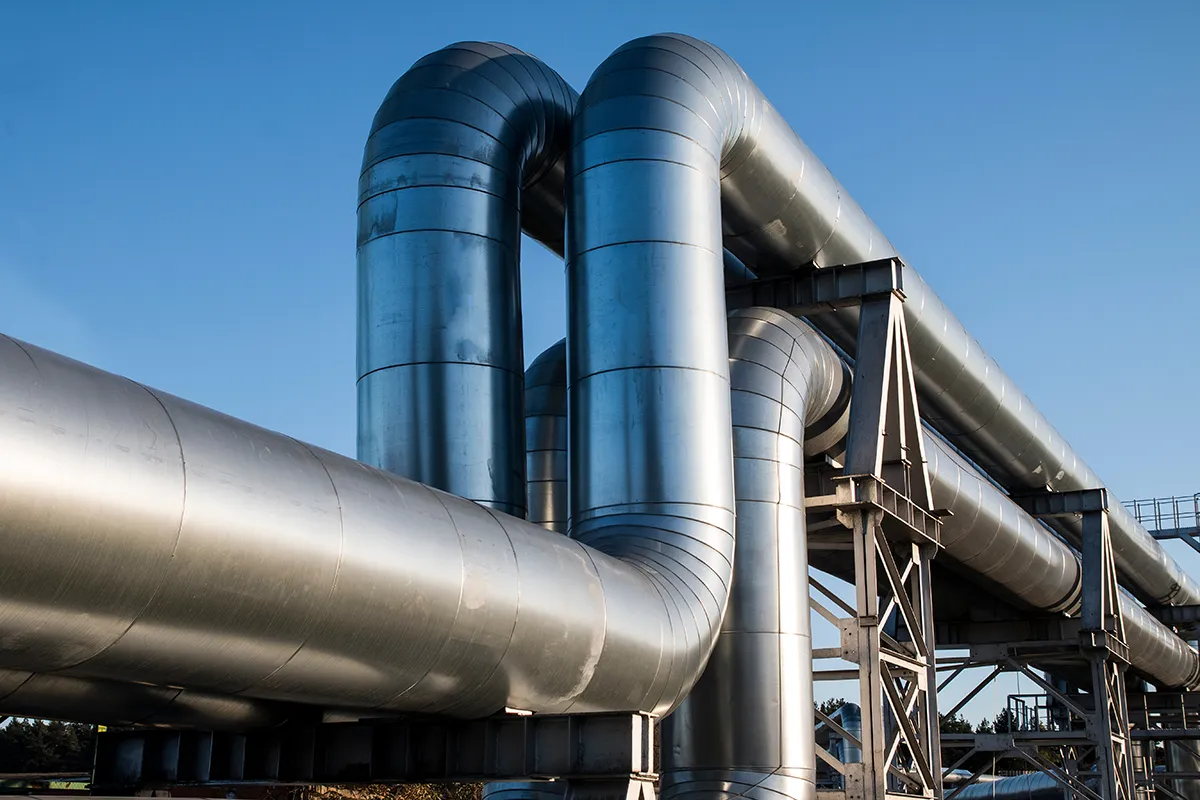
Large gas plant piping

$812 Million Texas Wrongful Death Verdict for Family of Worker Killed in Pecos Gas Plant Explosion

A Starr County, Texas jury has returned an $812 million wrongful death verdict in favor of the wife and two daughters of Reinaldo Garcia Pena, a worker killed in a 2023 explosion at the Pecos Liquids Handling Facility. The verdict against facility owner Upton Assets, LLC breaks down as $203 million in compensatory damages and $609 million in punitive damages. The jury assigned 100 percent of the fault to Upton Assets, zero percent to the deceased worker, and unanimously found the company's conduct rose to the level of gross negligence. The award is part of a combined $1.6 billion total verdict covering the families of two workers killed in the same blast. Case at a Glance Verdict: $812,000,000 ($203M compensatory + $609M punitive) Case Type: Wrongful Death / Workplace Explosion Court: 381st Judicial District Court, Starr County, Texas Verdict Date: April 2026 Plaintiff: The widow and two daughters of Reinaldo Garcia Pena Defendant: Upton Assets, LLC Plaintiff Attorneys: Rob Ammons and Herbie Montalvo (The Ammons Law Firm); Omar Escobar Jr. (Escobar Law Firm); Jesus A. Zambrano and Edgar E. Garcia (Zambrano Law Firm)What Happened at the Pecos Liquids Handling Facility? On October 7, 2023, an explosion ripped through the Pecos Liquids Handling Facility in Pecos, Texas, killing two workers from the Rio Grande Valley: Reinaldo Garcia Pena and Angel Alaffa. According to the Ammons Law Firm, the men had traveled more than 500 miles for the job and had been on site for weeks of unpaid labor before the blast. The plaintiffs alleged that Upton Assets sent the workers to weld on a tank still containing flammable hydrocarbons, armed only with a gas monitor that could not detect the vapors that ultimately ignited.Why Did the Jury Award $609 Million in Punitive Damages? Punitive damages of that scale signal a finding that the conduct was not merely careless but reckless. The trial centered on the company's failure to follow Process Safety Management (PSM) protocols, a federally required safety framework for facilities handling hazardous chemicals. According to court evidence summarized by plaintiff counsel, Upton Assets: Had no documented safety procedures and issued no hot work permits Employed a facility manager without PSM training or qualifications Provided the workers with no safety manual, orientation, or training Allowed liquid hydrocarbons to flood work areas without atmospheric testing Left tank cleaning incomplete while giving workers false safety assurances By the end of cross-examination, Upton Assets' own retained expert was forced to concede that what occurred at the facility was not an accident but, in his words, a "systemic failure of safety."How Were the Compensatory Damages Distributed? The jury awarded the $203 million in compensatory damages to the Garcia family as follows: $101.5 million to Reinaldo Garcia Pena's widow $50.75 million to one daughter $50.75 million to the other daughter The $609 million in punitive damages was apportioned across the same beneficiaries. A separate award of similar scale was returned for the family of Angel Alaffa, bringing the combined total verdict in the case to roughly $1.6 billion.What This Verdict Signals for Texas Workplace Death Cases The result is one of the largest workplace wrongful death verdicts in U.S. history and a significant data point for plaintiff attorneys handling Texas industrial accident cases. Starr County jurors heard a two-week trial focused on documentary gaps, training failures, and cross-examination of corporate witnesses, a pattern that has produced outsized awards in oilfield and chemical plant cases across the state. Lead counsel Jesus (Jesse) A. Zambrano framed the verdict in worker dignity terms, saying companies "must treat workers with dignity and respect."Conclusion Verdicts like this one show what Texas juries are willing to award when plaintiff counsel can document a complete breakdown of safety culture and walk a defense expert into the admission. Major Verdict tracks significant plaintiff verdicts and settlements across all 50 states. Browse the latest results or find a plaintiff attorney with a proven trial record in Texas.Frequently Asked Questions Q: What is gross negligence under Texas law? Gross negligence in Texas requires evidence that the defendant's conduct involved an extreme degree of risk and that the defendant had actual, subjective awareness of that risk but proceeded with conscious indifference. A finding of gross negligence is what unlocks punitive damages in Texas wrongful death cases. Q: Are punitive damages capped in Texas wrongful death cases? Texas generally caps punitive damages at the greater of $200,000 or two times economic damages plus an amount equal to non-economic damages (capped at $750,000). However, the cap does not apply in cases involving certain felony-level conduct. Whether any reduction applies in this matter would be addressed post-verdict. Q: What is Process Safety Management (PSM)? Process Safety Management is an OSHA-mandated framework (29 CFR 1910.119) that requires facilities handling highly hazardous chemicals to maintain written procedures, employee training, hot work permits, mechanical integrity programs, and incident investigations. Plaintiffs argued Upton Assets had implemented none of these required elements at the Pecos facility.

Workplace Death

Member Search

Latest Featured Members

View All Major Verdict Members
Search Members by State
Sample 1 Sample 2 Sample 3 Sample 4 Sample 5 Sample 6 Sample 7 Sample 8 Sample 9 Sample 10 Sample 11 Sample 12
Sample 13 Sample 14 Sample 15 Sample 16 Sample 17 Sample 18 Sample 19 Sample 20 Sample 21 Sample 22 Sample 23 Sample 24
Sample 32 Sample 25 Sample 26 Sample 27 Sample 28 Sample 29 Sample 30 Sample 31 Sample 33 Sample 34 Sample 35 Sample 36
Sample 37 Sample 38 Sample 39 Sample 40 Sample 41 Sample 42 Sample 43 Sample 44 Sample 45 Sample 46 Sample 47 Sample 48

Plaintiff trial attorneys. Join now for free!

ShowcaseYour Experience

Major Verdict gives you a free public profile to showcase your hard-earned trial verdicts and notable settlements. Let your results speak for themselves to potential clients and peers nationwide. You control what you share, when you edit, and how your public record is presented.