
Latest Product Liability Verdict & Settlement News

Browse all verdict news articles related to product liability cases.
Product Liability
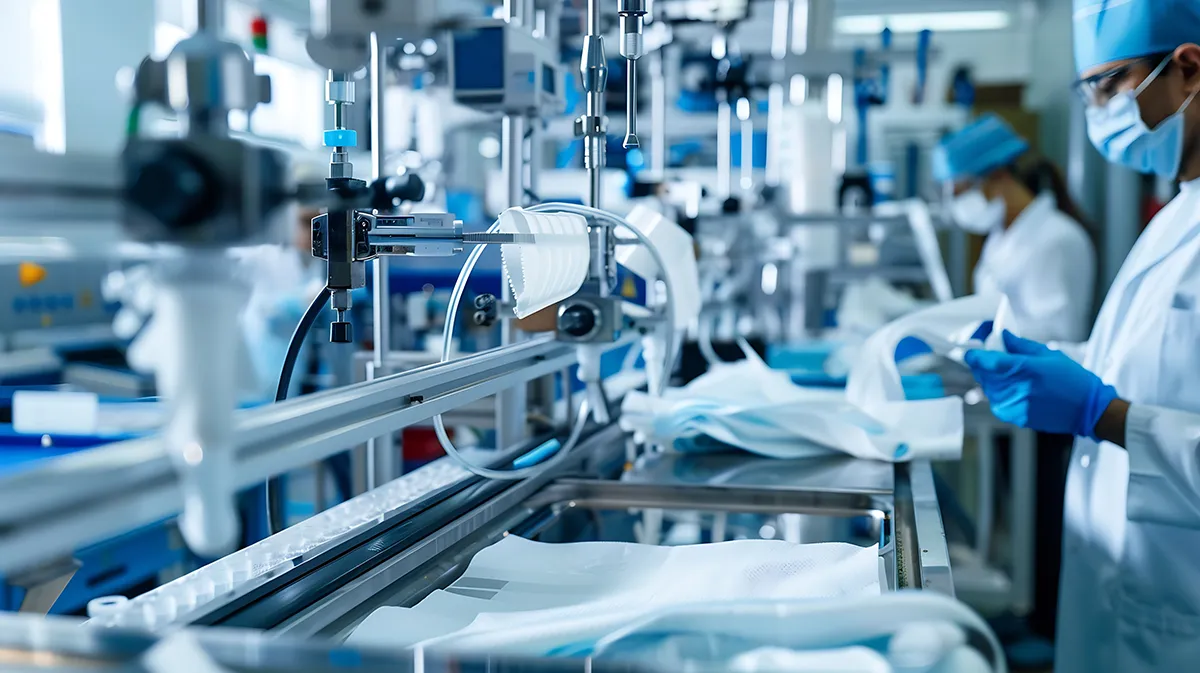
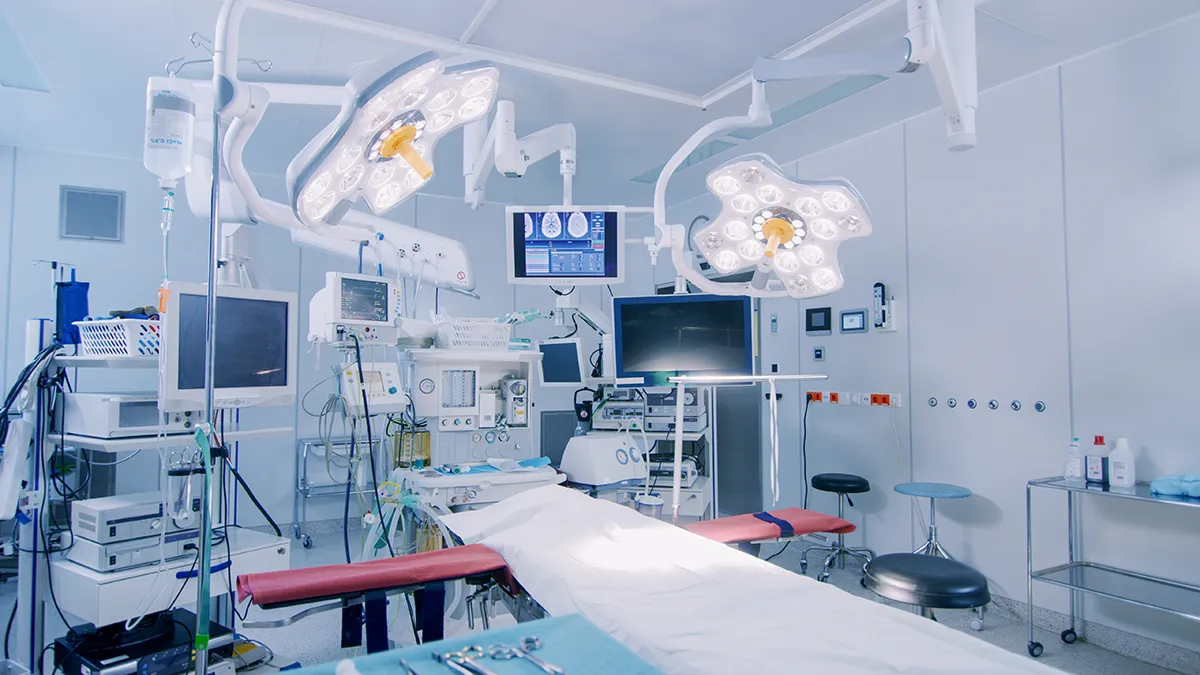
Medical devices being manufactured

$7.65 Million Kansas Product Liability Verdict in KU Med Heater-Cooler Death

A Wyandotte County jury delivered a $7.65 million Kansas product liability verdict on April 28, 2026, in favor of the family of Stephen Nolte, a 71-year-old Navy veteran and retired electrician who died from a Mycobacterium chimaera infection contracted during open-heart surgery at The University of Kansas Hospital. The jury allocated 88% of fault to The University of Kansas Hospital Authority, which had settled confidentially with the Nolte family shortly before trial, and 12% to medical device manufacturer LivaNova USA Inc., which contested liability through a 12-day trial. Plaintiff attorney Lynn R. Johnson of Shamberg, Johnson & Bergman tried the wrongful-death and product liability claims against LivaNova, securing a verdict that placed responsibility on both the hospital and the manufacturer of the contaminated heater-cooler device.Case at a Glance Verdict: $7,650,000 Case Type: Product Liability / Wrongful Death Court: Wyandotte County District Court, Kansas Verdict Date: April 28, 2026 Plaintiffs: Christine Nolte and Christopher Nolte (widow and son of Stephen Nolte) Defendants: The University of Kansas Hospital Authority (settled confidentially before trial); LivaNova USA Inc. Plaintiff Attorney: Lynn R. Johnson, Shamberg, Johnson & Bergman Apportionment: 88% to The University of Kansas Hospital Authority; 12% to LivaNovaWhat Happened to Stephen Nolte? Stephen Nolte, a Raytown resident, underwent an aortic valve replacement at The University of Kansas Hospital on March 6, 2019. The surgery itself was successful. Within months, however, Nolte developed disseminated Mycobacterium chimaera, a slow-growing bacterial infection traced to the heater-cooler device used to regulate his body temperature during the procedure. He battled the systemic infection for sixteen months before dying on July 8, 2020. His widow, Christine Nolte, and son, Christopher Nolte, filed suit in 2021 against The University of Kansas Hospital Authority and LivaNova USA Inc. The Nolte case is one of more than two dozen filed in Wyandotte County District Court arising from the same outbreak. Court filings indicate that 25 patients contracted M. chimaera at KU Med after open-heart procedures involving heater-cooler devices, with 11 of those patients dying.How Did the Plaintiff Build the Case? At trial, plaintiff counsel argued that two failures combined to kill Stephen Nolte: a hospital that stopped following the device manufacturer's cleaning protocol, and a device design that allowed contaminated vapor to escape into the operating room. Testimony established that on October 16, 2018, KU Med's chief perfusionist, Jamie Newberry, directed staff to stop disinfecting the heater-cooler units with bleach and to stop adding hydrogen peroxide to the water tanks. Both steps were described in LivaNova's instructions for use. Staff were directed to drain the tanks daily instead. By the time of Nolte's March 2019 surgery, the unit involved had not been disinfected in five months. Johnson argued to the jury that the patients who contracted M. chimaera "had one and only one thing in common." A LivaNova heater-cooler device was in the operating room for every one of them. He also presented testimony that the machines had been contaminated with the bacteria at LivaNova's manufacturing plant in Germany, and pointed to a design feature in which contaminated water in the unit's upper chamber could be aerosolized by exhaust fans and dispersed into the operating room.Why Did the Kansas Product Liability Verdict Split 88/12? After 12 days of trial and three and a half hours of deliberation, the Wyandotte County jury returned its allocation: 88% of fault to The University of Kansas Hospital Authority and 12% to LivaNova. The hospital had already settled with the Noltes confidentially, dismissed by Judge Courtney Mikesic on April 13, 2026, with no admission of liability. LivaNova's share of the $7.65 million in damages amounts to $918,000. The total damages broke down as follows: $3 million for noneconomic loss on the personal injury claim. On the wrongful-death claim, the jury awarded $650,000 in past economic loss, $550,000 in future economic loss, $2.7 million in past noneconomic loss, and $750,000 in future noneconomic loss. The 12% manufacturer apportionment is the headline of this Kansas product liability verdict for plaintiff attorneys watching from outside the state. Even when the immediate cause of harm was a downstream user deliberately deviating from documented safety procedures, the jury still found the manufacturer accountable for design and quality-control choices that made deviation more dangerous.The Broader M. chimaera Litigation The Nolte verdict is one of a small number of trial outcomes to emerge from a Wyandotte County litigation cluster involving more than two dozen patients and families. Roughly 17 of the cases against The University of Kansas Hospital Authority have resolved through confidential settlements. Several remain set for trial. The LivaNova/Sorin 3T heater-cooler device at the center of this litigation has been the subject of broader product liability litigation nationwide, including a $225 million resolution announced in 2019 covering many but not all heater-cooler claims. The Wyandotte County cases were not part of that earlier resolution and continue to move through Kansas state court.What This Kansas Product Liability Verdict Means for Plaintiff Attorneys For Kansas plaintiff lawyers, the Nolte verdict reinforces several practice points. Hospital infection cases involving documented protocol deviation present unusually clean liability narratives, particularly when manufacturer instructions have been disregarded by named hospital staff. Pairing a medical malpractice claim against the hospital with a product liability claim against the device manufacturer preserves recovery against the manufacturer even after a confidential hospital settlement. The 12% apportionment still produced a near-million-dollar judgment. The verdict also serves as a reference point for Kansas verdicts in hospital-acquired infection cases and adds another data point to the broader heater-cooler litigation now in its second decade. Major Verdict tracks significant plaintiff verdicts and settlements across all 50 states. Browse the latest results or find a plaintiff attorney with a proven trial record in your state.Frequently Asked Questions Q: How much was the Nolte verdict against KU Med and LivaNova? A Wyandotte County, Kansas, jury awarded $7.65 million in damages on April 28, 2026, in the Nolte family's lawsuit over a fatal Mycobacterium chimaera infection. The jury attributed 88% of fault to The University of Kansas Hospital Authority, which had settled with the family confidentially before trial, and 12% to LivaNova USA Inc., the manufacturer of the heater-cooler device used during Nolte's open-heart surgery. LivaNova's share of the damages amounts to $918,000. Q: What is M. chimaera and how is it linked to heater-cooler devices? Mycobacterium chimaera is a slow-growing nontuberculous mycobacterium that has been linked to a global outbreak of infections in open-heart surgery patients. Investigations identified contaminated heater-cooler devices, used to regulate patient body temperature during cardiopulmonary bypass, as the vehicle. The devices contain water tanks that can harbor the bacteria, and exhaust fans can aerosolize contaminated vapor into the sterile field of the operating room. Q: What was LivaNova's defense at trial? LivaNova denied liability and argued that the sole cause of the KU Med infection cluster was the hospital's October 2018 decision to stop disinfecting the heater-cooler devices according to the manufacturer's instructions. Defense counsel David Gross argued that when the cleaning instructions were followed, no infections occurred, and described the perfusionist's decision to halt disinfection as "a bacterial experiment." The jury still allocated 12% of fault to LivaNova.

Product Liability
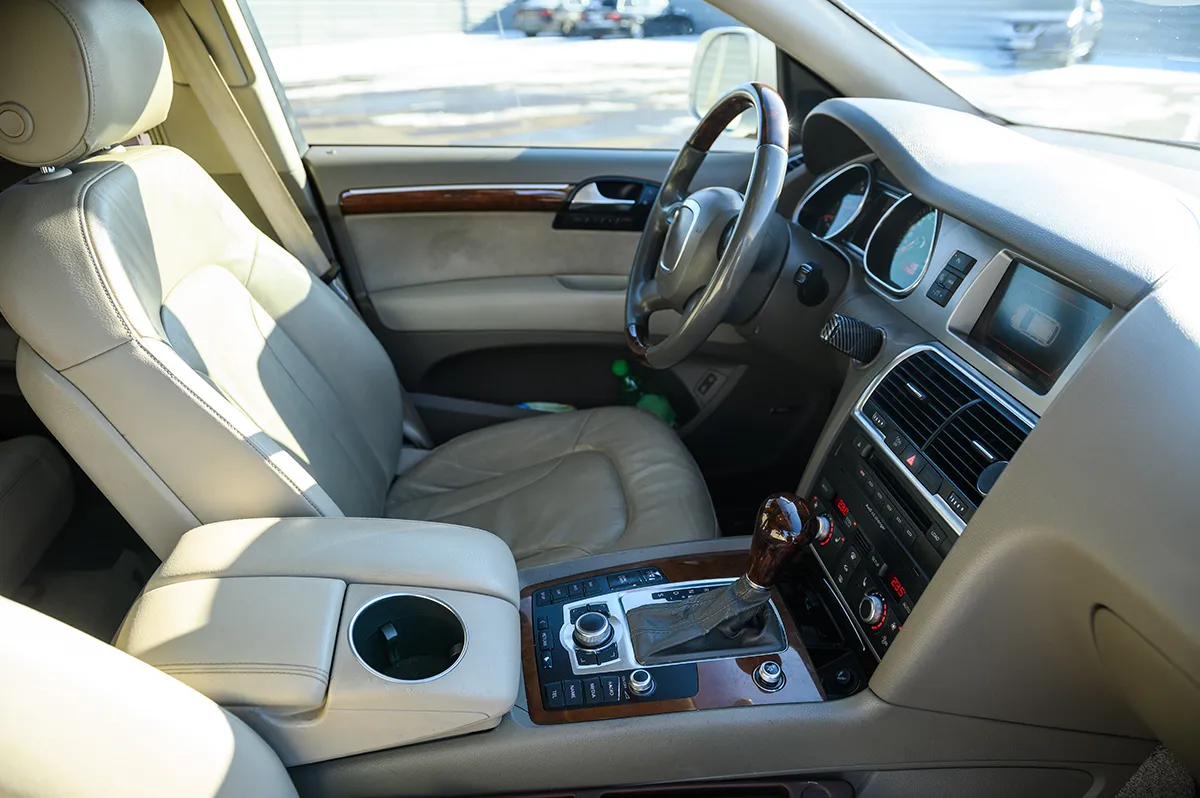
Interior of SUV showing center console and shifter

Minnesota Jury Delivers $18 Million Jeep Grand Cherokee Rollaway Verdict After Leg Amputation

A Dakota County, Minnesota jury on April 20, 2026 returned an $18 million verdict against FCA US LLC, the parent of Chrysler and Jeep, in a Jeep Grand Cherokee rollaway case that cost plaintiff Jeffrey Wu his leg. The jury in the First District Court of Minnesota found the vehicle's monostable gear shifter was defective and held the manufacturer responsible for the harm to Wu and his wife, Ting Yang. Plaintiff attorneys Kyle Farrar and Wes Ball of Kaster Lynch Farrar & Ball, along with Genevieve Zimmerman of Meshbesher & Spence, represented the family. The case is docketed as 19HA-CV-23-981.Case at a Glance Verdict: $18,000,000 Case Type: Product Liability (Automotive Defect) Court: First District Court of Minnesota, Dakota County Verdict Date: April 20, 2026 Plaintiffs: Jeffrey Wu and Ting Yang Defendant: FCA US LLC (Chrysler) Plaintiff Attorneys: Kyle Farrar and Wes Ball (Kaster Lynch Farrar & Ball, LLP); Genevieve Zimmerman (Meshbesher & Spence) Vehicle: 2014 Jeep Grand Cherokee Case Number: 19HA-CV-23-981What Happened in the Jeep Grand Cherokee Rollaway Incident? In March 2022, Wu exited his 2014 Jeep Grand Cherokee after believing he had shifted it into park. The vehicle's monostable gear shifter, a stick-style selector that returns to a center position regardless of the gear selected, did not reflect the actual gear state. The Jeep rolled backward while Wu was outside the vehicle and struck him with enough force to require amputation of his left leg. His wife Ting Yang joined as a plaintiff and sought damages for loss of services and companionship.Why Did the Jury Find the Shifter Defective? The plaintiffs' case centered on a design Chrysler used in the 2014 and 2015 Grand Cherokee and several other FCA models. The monostable shifter presents the same physical position for park, reverse, and drive, with only a small readout to confirm the selected gear. Farrar and his co-counsel argued Chrysler knew drivers were exiting vehicles that were not actually in park and that the company chose not to install an available AutoPark backup system that would have stopped rollaways before they caused injuries.How Does This Verdict Fit Chrysler's Shifter History? The monostable shifter has been the focus of federal safety action and civil litigation for nearly a decade. FCA recalled roughly 1.1 million vehicles with the shifter in 2016 after the National Highway Traffic Safety Administration linked the design to hundreds of rollaway complaints and dozens of injuries. Actor Anton Yelchin died in 2016 when his 2015 Jeep Grand Cherokee rolled and pinned him against a gate. A federal multidistrict litigation in Michigan produced a split result in 2022, with a jury clearing FCA under most state laws but finding for plaintiffs under Utah law. The Dakota County verdict is one of the larger individual state-court awards tied to the shifter and signals that juries remain willing to hold FCA liable where state product liability law allows.What Damages Did the Jury Award? Court records show the $18 million covers pain, emotional distress, disfigurement, medical expenses and future care, lost earnings, and loss of services and companionship for Yang. The jury did not separately itemize punitive damages on the verdict form, and no appeal has been announced as of publication. Zimmerman, speaking after the verdict, said the "jury saw past Chrysler's excuses and held it responsible for the harm."Why This Verdict Matters for Plaintiff Lawyers For plaintiff attorneys handling personal injury verdict news in the automotive defect space, the Wu verdict is a reminder that rollaway cases tied to the monostable shifter remain viable in state court despite the mixed federal MDL outcome. It also confirms that loss-of-limb damages combined with a spousal consortium claim can support eight-figure awards in Minnesota. Lawyers tracking FCA litigation should note the use of the available AutoPark system as a central design-defect theory, a framing that gave the jury a clear alternative the manufacturer failed to adopt. Verdicts like this one deserve to be seen. Major Verdict is the only platform where plaintiff attorneys can publicly display their trial results and settlements, for free. Create your profile today and let your record speak for itself.Frequently Asked Questions Q: What is a monostable gear shifter? A monostable shifter is an electronic gear selector that returns to the same physical center position after each use, regardless of whether the driver selected park, reverse, or drive. Unlike a traditional shifter where the lever rests in the selected gear, monostable designs rely on a small display to show the current gear. Drivers who step out without confirming park on the readout can leave the vehicle in drive or reverse. Q: Can you sue after a Jeep rollaway accident? Yes. Victims of rollaway incidents tied to known shifter defects typically bring product liability claims against the manufacturer, alleging design defect, failure to warn, or inadequate safety backup systems. State law controls whether punitive damages are available and how comparative fault is handled. Injured drivers in Minnesota can find local counsel through the Minnesota personal injury attorneys directory. Q: Is the monostable shifter still on the road? FCA recalled approximately 1.1 million vehicles with the monostable shifter in 2016 and pushed a software update intended to reduce the risk of rollaways. Many of those vehicles remain in service, and cases continue to be filed when the software update is alleged to be insufficient. Additional background is available in the Minnesota personal injury public resources.

Product Liability

Abbott Hit With $70 Million Verdict Over Similac Formula Linked to NEC in Premature Infants

A Cook County jury awarded $70 million to four Illinois families on April 10, 2026, finding that Abbott Laboratories defectively designed its Similac Special Care formula and failed to warn of the risk of necrotizing enterocolitis in premature infants. The verdict, reached in Cook County Circuit Court in Chicago, includes $53 million in compensatory damages and $17 million in punitive damages. It is Abbott's second trial loss in the NEC infant formula litigation and the first verdict against the company in Illinois state court.Case at a Glance Total Verdict: $70,000,000 Compensatory Damages: $53,000,000 Punitive Damages: $17,000,000 Case Type: Product Liability - Defective Design / Failure to Warn Court: Cook County Circuit Court, Chicago, Illinois Verdict Date: April 10, 2026 Plaintiffs: Four Illinois mothers (names not publicly released) Defendant: Abbott Laboratories Plaintiff Attorney(s): Ben Whiting, Senior Partner, Keller Postman Defense Attorney: Hariklia Karis, Partner, Kirkland & EllisWhat Did the Jury Find Abbott Liable For? The jury found Abbott liable on three separate grounds: defective product design, failure to warn consumers of the risk of necrotizing enterocolitis, and negligence leading to the infants' injuries. All four verdicts were unanimous. The four lawsuits were filed in 2022 and consolidated for trial. Each case involved a premature infant fed Similac Special Care while hospitalized at a Chicago-area medical center between 2012 and 2019. The children all survived NEC but continue to experience lasting health complications. Three of the four underwent surgery. Attorneys for the mothers argued that Abbott's cow's milk-based formula is unreasonably dangerous for premature infants and that the company failed to place adequate warnings on its labeling. Plaintiff attorney Grimsley told jurors directly: "Formula is harmful. It increases the risk of NEC. It caused and contributed to all four plaintiffs' NEC."What Is NEC and Why Does It Matter for Premature Infants? Necrotizing enterocolitis is a severe intestinal disease in which the lining of the intestine becomes inflamed and begins to die. It predominantly strikes premature infants and carries a mortality rate exceeding 20 percent. For families in the NICU, an NEC diagnosis is one of the most feared outcomes. Research has established an association between cow's milk-based formula in premature infants and higher rates of NEC. The plaintiffs' legal theory was that Abbott knew about this association for years and continued marketing Similac Special Care to hospital intensive care units without adequate warnings. Abbott has consistently denied that its formula causes NEC. Defense attorneys argued that the infants had multiple other risk factors, including their prematurity itself and antibiotic use, and pointed to a 2024 joint statement from the FDA, CDC, and a National Institutes of Health working group concluding that the absence of breast milk rather than formula exposure is associated with increased NEC risk.Who Represented the Plaintiff Families? The four families were represented by Ben Whiting, Senior Partner at Keller Postman, a national litigation firm that has been at the center of the NEC baby formula litigation. Whiting released a statement following the verdict: "The jury's verdicts on behalf of these four infants confirm once again what Abbott has known for years and chosen to ignore: that Abbott's cow's milk-based formula causes NEC in premature infants, often with devastating and irreversible consequences. Four families walked into that courtroom asking for justice, and four families received it. We are so proud to have stood beside them, and we are not done." Keller Postman previously secured the first-ever trial verdict holding a cow's milk-based formula manufacturer liable for NEC, a $60 million verdict against Mead Johnson in St. Clair County, Illinois, in 2024.What This Verdict Means for 1,700+ Pending Lawsuits Abbott currently faces more than 1,700 lawsuits in state and federal courts across the country over its preterm infant formula products. The Cook County verdict is the latest in a series of state court wins for plaintiffs and stands in contrast to the federal multidistrict litigation, where cases have moved slowly. By April 2026, there were 782 cases pending in the federal MDL overseen by Chief Judge Rebecca R. Pallmeyer in the U.S. District Court for the Northern District of Illinois. Judge Pallmeyer stopped three bellwether cases from going to trial in 2025, frequently ruling in Abbott's favor on summary judgment. The federal and state court trajectories have diverged sharply. For the broader litigation, the Cook County result matters. It is Abbott's second state court loss. A St. Louis jury previously awarded $495 million against Abbott in a separate NEC case. Both that verdict and Thursday's verdict have been appealed by Abbott. Abbott's CEO has previously suggested the company could discontinue its preterm infant formula if litigation continued, a prospect that has alarmed neonatologists who view the product as medically necessary for some premature infants.Conclusion The $70 million Cook County verdict against Abbott Laboratories is one of the largest product liability verdicts of 2026 and adds significant momentum to what is shaping up to be one of the most consequential mass tort litigations in the country. For plaintiff families, it is a confirmation that juries will hold manufacturers accountable when the evidence shows they knew of risks and failed to act. If your premature infant developed NEC after being fed Similac or another cow's milk-based formula in the NICU, verdicts like this one show what juries are willing to award when the evidence is strong and the attorney is prepared. Find a plaintiff lawyer on Major Verdict who has the trial record to back it up.FAQ Q: What is necrotizing enterocolitis (NEC)? A: Necrotizing enterocolitis is a life-threatening intestinal disease that primarily affects premature infants. The condition causes the lining of the intestine to become inflamed and die and carries a mortality rate above 20 percent. Infants who survive NEC often face long-term health complications and, in serious cases, require surgery. Q: What is the difference between compensatory and punitive damages in this verdict? A: Compensatory damages are awarded to cover the actual losses suffered by the plaintiffs, including medical expenses, pain and suffering, and future care costs. Punitive damages are awarded separately and are intended to punish a defendant for conduct the jury finds especially reckless or willful. In this case, the jury awarded $53 million in compensatory damages and then returned an additional $17 million in punitive damages against Abbott. Q: What does this verdict mean for other NEC lawsuits against Abbott? A: Abbott faces more than 1,700 NEC-related lawsuits in state and federal courts. State court plaintiffs have won the cases that have gone to trial, while federal court cases have largely stalled. Each verdict that holds Abbott liable increases pressure on the company to consider settlement and establishes that juries are willing to hold formula manufacturers accountable when they find the evidence supports it.

Product Liability

$14.1M Brevard County Florida Ice Cream Contamination Product Liability Verdict

A Brevard County, Florida jury has awarded $14,147,525.39 to a woman who ate contaminated ice cream containing metal nails and fragments, a product defect that ultimately left her permanently infertile. The verdict, announced in a March 29, 2026 press release from Alpizar Law, closes out a products liability trial that lasted approximately two and a half weeks. The case is one of the more striking Florida food contamination verdicts in recent years, and it carries implications that reach well beyond a single franchise location.What Happened to Brandy Buckley The plaintiff, Brandy Buckley, purchased ice cream from a Malabar franchise of Bruster's Ice Cream. According to evidence presented at trial, the product contained two nails and several small metal fragments. After consuming the ice cream, Buckley required emergency medical treatment. Surgeons removed one of the nails along with multiple metal fragments during the procedure. The medical ordeal did not end there. Following surgery, Buckley developed serious complications. According to trial testimony, those complications included portal vein thrombosis and significant internal bleeding. A second procedure became necessary. Doctors performed an ablation, which, according to testimony in the case, ultimately resulted in permanent infertility.The Jury's Findings After approximately two and a half weeks of trial, the Brevard County jury returned a verdict totaling $14,147,525.39. The jury did not limit responsibility to the individual franchise location. Jurors found the national franchisor liable under an agency theory, extending accountability to Bruster's Ice Cream and its parent company, Malabar Creameries, at the corporate level. That finding is legally significant. It signals that juries are willing to hold national brands responsible for the actions of their franchise operators when the franchisor exercises sufficient control over the business.What Alpizar Law Said The case was tried by Scott Alpizar, with John Alpizar assisting. Both attorneys are with Alpizar Law, a personal injury firm based in Palm Bay, Florida. John Alpizar addressed the jury's role in the outcome directly. "We are grateful that this jury of six fulfilled their civic duty and listened carefully to all of the evidence," he said. "This verdict reflects the seriousness of the harm our client endured and ensures accountability at all levels." Scott Alpizar framed the verdict as a broader consumer safety statement. "This case highlights the critical importance of food safety and the responsibility that both local operators and national brands have to protect consumers," he said. "We are proud to have secured a result that brings justice and accountability for our client."Why This Verdict Matters for Product Liability Law Food contamination cases can be difficult to litigate. Plaintiffs must connect the ingestion of a defective product to a chain of medical complications, some of which may develop weeks or months after the original incident. In Buckley's case, the connection between the contaminated ice cream and permanent infertility involved multiple surgical procedures and a medical timeline that unfolded over time. Building that causation narrative before a jury, and winning on it, represents a meaningful result in consumer products litigation. The agency theory finding against the national franchisor adds another layer. Plaintiffs in franchise cases often face arguments that the corporate parent is too far removed from day-to-day operations to bear liability. The Brevard County jury rejected that argument here. For plaintiff attorneys handling products liability or food contamination cases, verdicts like this one offer a data point on how Florida juries value catastrophic, life-altering injuries where the defendant is a recognizable national brand.The Broader Picture on Food Safety Liability The lawsuit was filed in 2019. The case took roughly seven years from filing to verdict, which is not unusual for complex personal injury litigation involving corporate defendants and medical causation. The result is a reminder that contamination events at franchise businesses carry real exposure for parent companies, not only the franchisees operating individual locations. When a product defect causes injuries this severe, juries are capable of awarding damages that reflect the full scope of the harm. Buckley told PEOPLE that she hopes the outcome prevents similar incidents. "Mistakes happen, even from the most trusted national brands," her attorney said. "She hopes something like this never happens again." Attorneys who have secured significant verdicts in products liability, food safety, or catastrophic injury cases can showcase those results publicly on Major Verdict. The platform gives plaintiff lawyers a dedicated space to display trial outcomes and connect with potential clients researching case values. Join Major Verdict to create your profile and post your verdicts where they can be found.


Member Search

Latest Featured Members

View All Major Verdict Members
Search Members by State
Sample 1 Sample 2 Sample 3 Sample 4 Sample 5 Sample 6 Sample 7 Sample 8 Sample 9 Sample 10 Sample 11 Sample 12
Sample 13 Sample 14 Sample 15 Sample 16 Sample 17 Sample 18 Sample 19 Sample 20 Sample 21 Sample 22 Sample 23 Sample 24
Sample 32 Sample 25 Sample 26 Sample 27 Sample 28 Sample 29 Sample 30 Sample 31 Sample 33 Sample 34 Sample 35 Sample 36
Sample 37 Sample 38 Sample 39 Sample 40 Sample 41 Sample 42 Sample 43 Sample 44 Sample 45 Sample 46 Sample 47 Sample 48

Plaintiff trial attorneys. Join now for free!

ShowcaseYour Experience

Major Verdict gives you a free public profile to showcase your hard-earned trial verdicts and notable settlements. Let your results speak for themselves to potential clients and peers nationwide. You control what you share, when you edit, and how your public record is presented.