


What to Do After an Accident: Personal Injury Resources for the Public
Plain-English Information for People Who've Been Injured
Do I Have a Personal Injury Case?
Answer these ten questions to see if you should think about contacting an injury lawyer for your case. This is NOT a lead generation tool.
The calculator gives a rough settlement range after a short conversation with our custom server-side AI. Also free, also private with no strings attached.
Question 1
Were you or someone you know physically injured?
This includes car accidents, slip and falls, medical malpractice, workplace injuries, defective products, and more.
Question 2
Was someone else at fault for the injury?
Another driver, a business, a property owner, a manufacturer, a medical provider, anyone other than the injured person.
Question 3
When did the injury occur?
Most states have a statute of limitations, a deadline to file a claim.
Question 4
Did you seek medical treatment for the injury?
Medical treatment and records are a key piece of evidence in proving your injuries and the damages you suffered.
Question 5
Have you already settled or signed a release of liability?
If you accepted a settlement from an insurance company or signed a release, it may affect your ability to pursue further compensation.
Question 6
Do you currently have an attorney representing you for this injury?
If you already have legal representation, they are your best resource for case questions.
Question 7
What type of incident caused the injury?
Different types of cases may have different legal rules, deadlines, and requirements.
Question 8
Was someone other than your employer or coworker responsible?
For example, a subcontractor, equipment manufacturer, property owner, or another company. Workplace injuries involving only your employer are typically handled through workers' compensation, not personal injury law.
Was a government entity or government employee responsible?
For example: a city bus, a state highway department, a public school, a government-owned building, or a police officer.
How would you describe the severity of the injuries?
Injury severity affects the potential value of a case and whether an attorney is likely to take it on.
Do you believe you were partly at fault for what happened?
Be honest. Shared fault does not always prevent a claim, but it can affect the outcome depending on your state's laws.
You May Have a Case!
Based on your answers, you may have a valid personal injury claim. The next step is to speak with a qualified personal injury attorney who can evaluate the specifics of your situation. Most attorneys offer free consultations.
This quiz is for informational purposes only and does not constitute legal advice. Every case is different. Consult with a licensed attorney for advice specific to your situation. We DO NOT ask for your information in this form!



Understand the Process
Learn what happens at every stage of a personal injury case so there are no surprises.
The Personal Injury Process: Complete Guide
A step-by-step walkthrough of every stage of a personal injury case, from investigation and evidence gathering through settlement or trial.
Go Deeper
Continue building your understanding with these comprehensive resources.
Find Your State Specific Personal Injury Information
Personal injury law isn't the same everywhere.
Rules, deadlines, damage caps, and procedures vary by state. That's why we organize state-specific resources to help you understand how the process works where your case actually lives.
Use this section to:
- Learn your state's deadlines and legal framework
- Explore local personal injury resources
- Find experienced attorneys licensed in your state
Whether you're just learning or actively looking for legal help, starting with the right state-specific information puts you in control. Click your state below.
Search Legal Terms
Personal Injury Resources
Member Search
Latest Featured Members
-
 VIEW PROFILE
Featured Member
Connor Plant - CO
-
 VIEW PROFILE
Featured Member
Jason Alleman - CO
-
 VIEW PROFILE
Featured Member
Chad Hemmat - CO
-
 VIEW PROFILE
Featured Member
Cameron Hunter - CO
-
 VIEW PROFILE
Featured Member
Jerome Howard - AL
-
 VIEW PROFILE
Featured Member
Helen Cho - AZ
-
 VIEW PROFILE
Featured Member
Karen Carter - CT
-
 VIEW PROFILE
Featured Member
Nicholas Thomas - CT
-
 VIEW PROFILE
Featured Member
Alice Chang - FL
-
 VIEW PROFILE
Featured Member
Sanjay Shah - GA
-
 VIEW PROFILE
Featured Member
Edward Clark - HI
-
 VIEW PROFILE
Featured Member
Siddharth Mukherjee - HI
-
 VIEW PROFILE
Featured Member
Raymond Choi - ID
-
 VIEW PROFILE
Featured Member
Ryan Campbell - IN
-
 VIEW PROFILE
Featured Member
David Russell - IA
-
 VIEW PROFILE
Featured Member
Danielle Clark - KY
-
 VIEW PROFILE
Featured Member
Andrea Tran - LA
-
 VIEW PROFILE
Featured Member
Jose Mendoza - ME
-
 VIEW PROFILE
Featured Member
Samantha Bennett - MD
-
 VIEW PROFILE
Featured Member
Curtis Davis - MA
-
 VIEW PROFILE
Featured Member
Deepak Desai - MS
-
 VIEW PROFILE
Featured Member
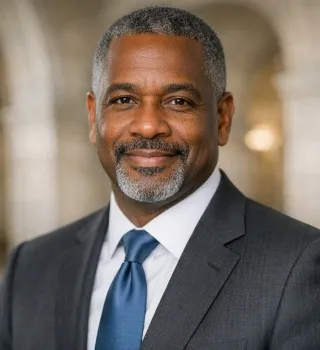
Clarence Bennett - MT
-
 VIEW PROFILE
Featured Member
Nisha Malhotra - NV
-
 VIEW PROFILE
Featured Member
Jacob Peterson - NV
-
 VIEW PROFILE
Featured Member
Katherine Phillips - NH
-
 VIEW PROFILE
Featured Member
Dennis Burke - NJ
-
 VIEW PROFILE
Featured Member
Emma Coleman - NJ
-
 VIEW PROFILE
Featured Member
Dennis Burns - NM
-
 VIEW PROFILE
Featured Member
Denise Jefferson - NY
-
 VIEW PROFILE
Featured Member
Daniel Watson - NY
-
 VIEW PROFILE
Featured Member
Sandra Scott - NC
-
 VIEW PROFILE
Featured Member
Jose Diaz - NC
-
 VIEW PROFILE
Featured Member
Amy Williams - ND
-
 VIEW PROFILE
Featured Member
Sunita Bose - OR
-
 VIEW PROFILE
Featured Member
Charles Phillips - OR
-
 VIEW PROFILE
Featured Member
Stephen Mitchell - PA
-
 VIEW PROFILE
Featured Member
Ruben Garcia - RI
-
 VIEW PROFILE
Featured Member
Jack Warren - SC
-
 VIEW PROFILE
Featured Member
Gerald Hall - SD
-
 VIEW PROFILE
Featured Member
Keith Wood - TX
-
 VIEW PROFILE
Featured Member
Derek Lu - UT
-
 VIEW PROFILE
Featured Member
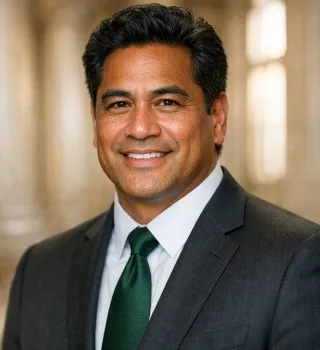
Luis Sandoval - UT
-
 VIEW PROFILE
Featured Member
Sophia Lewis - VT
-
 VIEW PROFILE
Featured Member
Ann Cooper - VA
-
 VIEW PROFILE
Featured Member
Raymond Warren - WA
-
 VIEW PROFILE
Featured Member
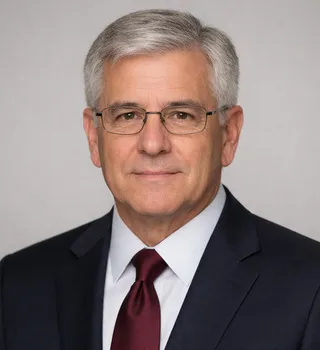
Joseph Crawford - WI
-
 VIEW PROFILE
Featured Member
Gregory Peterson - WY
-
 VIEW PROFILE
Featured Member
Victoria King - TN, IA
-
 VIEW PROFILE
Featured Member
Rani Kapoor - AR
-
 VIEW PROFILE
Featured Member
Ronald Carter - AL