
Latest Personal Injury Verdict News from Texas

Browse all personal injury verdict news from Texas.

Other useful Texas links: Texas personal injury resources for the public. Browse some of the most experienced injury attorneys in Texas.


Sexual Assault
People drinking at a bar

Texas Jury Returns $131 Million Sexual Assault Verdict Against College Station Bar

A Brazos County, Texas jury has awarded $131 million to a former Texas A&M student who was drugged and sexually assaulted in 2017 by the general manager of a College Station bar. The verdict, returned on April 23, 2026 after roughly two hours of deliberation, includes $31 million in compensatory damages and $100 million in exemplary (punitive) damages, split evenly between the individual assailant and the bar itself. The plaintiff, who chose to be identified publicly by her first name, Bethany, was represented at trial by Brian Butcher of Noteboom, The Law Firm. The jury found David Hammond, who was general manager of the Foundation Lounge in College Station's Northgate entertainment district, liable for assault and sexual assault, and found the bar liable for its negligent supervision, retention, and training of Hammond.Case at a Glance Verdict: $131,000,000 Compensatory Damages: $31,000,000 Exemplary Damages: $100,000,000 ($50M against Hammond, $50M against the Foundation Lounge) Case Type: Sexual Assault / Premises Liability / Negligent Supervision Court: Brazos County, Texas (civil trial court) Verdict Date: April 23, 2026 Plaintiff: Bethany (first name only, by her consent) Defendants: David Hammond; Foundation Lounge Plaintiff Attorney: Brian Butcher, Noteboom, The Law Firm (Fort Worth) Jury Deliberation: Just over two hoursWhat Did the Jury Find? Bethany was 21 years old and a Texas A&M senior in August 2017 when she accompanied a friend who was applying for a bartending job at the Foundation Lounge. According to the lawsuit, Hammond kept the two women at the bar after closing, offered the friend a job, and poured each of them a shot from an unmarked bottle. Bethany told the jury she has no memory of anything after taking the shot, and that she woke up naked in a hotel room next to Hammond. The jury credited that account, finding that Hammond drugged Bethany and "raped her when she lacked capacity to consent." The compensatory portion of the verdict, $31 million, was awarded for past and future mental anguish, past and future physical impairment, and past physical pain. The exemplary award was split into two equal $50 million components, one against Hammond personally and one against the bar.Why the Bar Was on the Hook The legal centerpiece of the case was not the assault itself but the bar's conduct. Plaintiff's counsel framed the case as a negligent supervision and retention matter, arguing that Foundation Lounge management ignored warning signs about Hammond's behavior toward women on its premises. A key piece of evidence, according to Butcher, was that approximately six months before the attack on Bethany, Hammond had been accused of sexual assault against an employee of the same bar. "A key piece of evidence that the jury heard in our case was that six months prior to the drugging and rape in our case, David Hammond was accused of sexual assault against an employee of the bar," Butcher said. The jury also found that Hammond functioned as a "vice-principal" of the Foundation Lounge. That is a Texas legal designation, allowing a corporation to be held responsible for the conduct of an employee who acts with managerial authority. The finding exposes the corporate defendant to punitive damages tied to that employee's conduct.An 8-Year Path to Civil Justice The civil verdict arrived more than eight years after Bethany first reported the assault to College Station police. According to her trial counsel, the local district attorney concluded at the time that there was insufficient evidence to pursue criminal charges, and the case was placed on inactive status. Bethany testified that she followed up for years to obtain her sexual assault kit results, and that the silence from the criminal system was one of the hardest parts of the experience. In the wake of the civil verdict, Butcher said he has now spoken with the Brazos County district attorney's office about the possibility of reopening the criminal investigation. "When the verdict was read aloud in court, it was an intensely emotional experience, not just for Bethany, but also for everybody in the courtroom," Butcher said. "Many of the jurors left the jury box and came and gave her hugs and told her that they were with her, and that meant an awful lot."What the Verdict Signals for Texas Bars Butcher has acknowledged publicly that collection on a verdict of this size is unlikely, because the Foundation Lounge is no longer in business and the available non-exempt assets are limited. He has said the trial team intends to pursue every collectible asset, but that the larger value of the verdict is in the finding itself, not the dollar figure. The size of the punitive award also sends a market signal to bars, nightclubs, and other licensed premises across the state. A jury was willing to assign $50 million in exemplary damages to a venue that retained a manager after a prior internal sexual assault accusation, and it did so in roughly two hours. The result will sit alongside other notable Texas plaintiff verdicts as a reference point for future negligent supervision claims against licensed premises. Major Verdict tracks significant plaintiff verdicts and settlements across all 50 states. Find a plaintiff attorney with a proven trial record in Texas, or join now if you handle plaintiff personal injury cases in the state.Frequently Asked Questions Q: How can a bar be held liable for a criminal act committed by one of its managers? Under Texas premises liability and negligent supervision law, a business that knew or should have known about a foreseeable danger on its premises can be held civilly liable for injuries that result. The danger can include the propensity of an employee to harm patrons. In this case, the jury was presented with evidence that Hammond had been accused of sexual assault by another bar employee approximately six months before the attack on Bethany, which supported a finding that the bar was negligent in continuing to employ him in a managerial role and in failing to supervise his conduct on the premises. Q: What is the difference between this civil verdict and a criminal conviction? A criminal case is brought by the state and requires proof beyond a reasonable doubt to result in incarceration or other criminal penalties. A civil case is brought by the injured party and requires proof by a preponderance of the evidence, meaning more likely than not, with the remedy being a monetary award. In this matter, the criminal case was placed on inactive status years ago, but the civil jury was free to find liability and award damages based on the lower civil standard. Plaintiff's counsel has indicated he is now in contact with the district attorney about whether the criminal case may be reopened in light of the civil findings. Q: Will the plaintiff actually collect $131 million? According to trial counsel, full collection is not realistic because the Foundation Lounge is no longer in business and the individual defendant's collectible assets are limited. The plaintiff's team has stated the goal is to pursue every non-exempt asset available. The practical importance of the verdict is the public finding of liability against both the assailant and the bar that employed him, and the precedent it establishes for future negligent supervision claims against Texas licensed premises.

Workplace Death
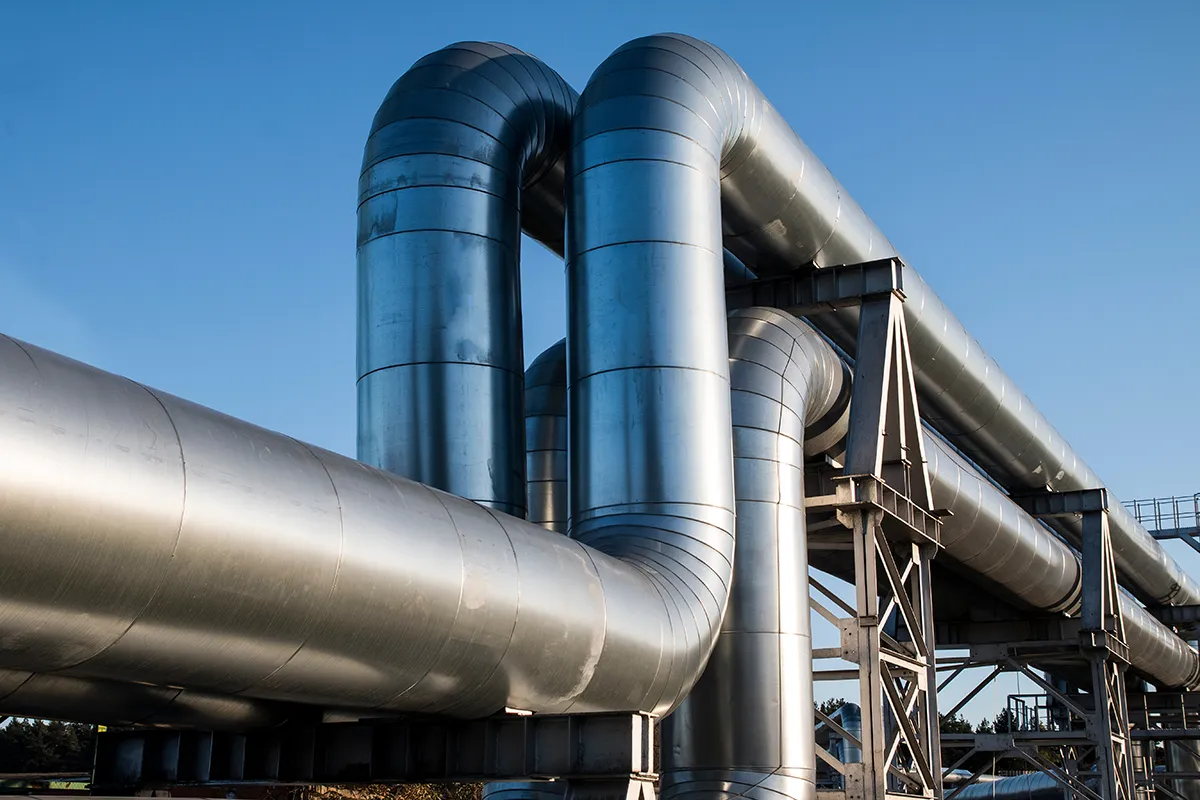
Large gas plant piping

$812 Million Texas Wrongful Death Verdict for Family of Worker Killed in Pecos Gas Plant Explosion

A Starr County, Texas jury has returned an $812 million wrongful death verdict in favor of the wife and two daughters of Reinaldo Garcia Pena, a worker killed in a 2023 explosion at the Pecos Liquids Handling Facility. The verdict against facility owner Upton Assets, LLC breaks down as $203 million in compensatory damages and $609 million in punitive damages. The jury assigned 100 percent of the fault to Upton Assets, zero percent to the deceased worker, and unanimously found the company's conduct rose to the level of gross negligence. The award is part of a combined $1.6 billion total verdict covering the families of two workers killed in the same blast. Case at a Glance Verdict: $812,000,000 ($203M compensatory + $609M punitive) Case Type: Wrongful Death / Workplace Explosion Court: 381st Judicial District Court, Starr County, Texas Verdict Date: April 2026 Plaintiff: The widow and two daughters of Reinaldo Garcia Pena Defendant: Upton Assets, LLC Plaintiff Attorneys: Rob Ammons and Herbie Montalvo (The Ammons Law Firm); Omar Escobar Jr. (Escobar Law Firm); Jesus A. Zambrano and Edgar E. Garcia (Zambrano Law Firm)What Happened at the Pecos Liquids Handling Facility? On October 7, 2023, an explosion ripped through the Pecos Liquids Handling Facility in Pecos, Texas, killing two workers from the Rio Grande Valley: Reinaldo Garcia Pena and Angel Alaffa. According to the Ammons Law Firm, the men had traveled more than 500 miles for the job and had been on site for weeks of unpaid labor before the blast. The plaintiffs alleged that Upton Assets sent the workers to weld on a tank still containing flammable hydrocarbons, armed only with a gas monitor that could not detect the vapors that ultimately ignited.Why Did the Jury Award $609 Million in Punitive Damages? Punitive damages of that scale signal a finding that the conduct was not merely careless but reckless. The trial centered on the company's failure to follow Process Safety Management (PSM) protocols, a federally required safety framework for facilities handling hazardous chemicals. According to court evidence summarized by plaintiff counsel, Upton Assets: Had no documented safety procedures and issued no hot work permits Employed a facility manager without PSM training or qualifications Provided the workers with no safety manual, orientation, or training Allowed liquid hydrocarbons to flood work areas without atmospheric testing Left tank cleaning incomplete while giving workers false safety assurances By the end of cross-examination, Upton Assets' own retained expert was forced to concede that what occurred at the facility was not an accident but, in his words, a "systemic failure of safety."How Were the Compensatory Damages Distributed? The jury awarded the $203 million in compensatory damages to the Garcia family as follows: $101.5 million to Reinaldo Garcia Pena's widow $50.75 million to one daughter $50.75 million to the other daughter The $609 million in punitive damages was apportioned across the same beneficiaries. A separate award of similar scale was returned for the family of Angel Alaffa, bringing the combined total verdict in the case to roughly $1.6 billion.What This Verdict Signals for Texas Workplace Death Cases The result is one of the largest workplace wrongful death verdicts in U.S. history and a significant data point for plaintiff attorneys handling Texas industrial accident cases. Starr County jurors heard a two-week trial focused on documentary gaps, training failures, and cross-examination of corporate witnesses, a pattern that has produced outsized awards in oilfield and chemical plant cases across the state. Lead counsel Jesus (Jesse) A. Zambrano framed the verdict in worker dignity terms, saying companies "must treat workers with dignity and respect."Conclusion Verdicts like this one show what Texas juries are willing to award when plaintiff counsel can document a complete breakdown of safety culture and walk a defense expert into the admission. Major Verdict tracks significant plaintiff verdicts and settlements across all 50 states. Browse the latest results or find a plaintiff attorney with a proven trial record in Texas.Frequently Asked Questions Q: What is gross negligence under Texas law? Gross negligence in Texas requires evidence that the defendant's conduct involved an extreme degree of risk and that the defendant had actual, subjective awareness of that risk but proceeded with conscious indifference. A finding of gross negligence is what unlocks punitive damages in Texas wrongful death cases. Q: Are punitive damages capped in Texas wrongful death cases? Texas generally caps punitive damages at the greater of $200,000 or two times economic damages plus an amount equal to non-economic damages (capped at $750,000). However, the cap does not apply in cases involving certain felony-level conduct. Whether any reduction applies in this matter would be addressed post-verdict. Q: What is Process Safety Management (PSM)? Process Safety Management is an OSHA-mandated framework (29 CFR 1910.119) that requires facilities handling highly hazardous chemicals to maintain written procedures, employee training, hot work permits, mechanical integrity programs, and incident investigations. Plaintiffs argued Upton Assets had implemented none of these required elements at the Pecos facility.

Wrongful Death
Railroad crossing sign and lights

Texas Jury Returns $22.45 Million Railroad Crossing Verdict Against Kansas City Southern

A Wharton County, Texas jury on April 20, 2026 returned a $22.45 million verdict against Kansas City Southern Railway (now Canadian Pacific Kansas City Railway) for the death of Marina Amaya and serious injuries to two others in a train-vehicle collision at a rural crossing. The Amaya family, represented by Trevor Courtney of Houston-based Arnold & Itkin LLP, alleged the railroad failed to install lights, bells, or crossing arms at a crossing plaintiffs characterized as one of the most dangerous on the railroad's North American system. After delivering the verdict, jurors asked the court to compel the railroad to complete safety upgrades at the crossing.Case at a Glance Verdict: $22,450,000 Case Type: Wrongful Death and Personal Injury Court: Wharton County, Texas Verdict Date: April 20, 2026 Plaintiffs: Jairo Amaya, Telma Morales, and the estate of Marina Amaya Defendant: Kansas City Southern Railway (now Canadian Pacific Kansas City Railway) Plaintiff Attorney: Trevor Courtney, Arnold & Itkin LLPWhat Happened at the Railroad Crossing? According to the complaint, Jairo Amaya was driving a vehicle carrying Marina Amaya and Telma Morales when a Kansas City Southern train struck the car at a rural Wharton County crossing. Marina Amaya was killed in the collision. Telma Morales suffered serious injuries, and Jairo Amaya, 22 at the time of the crash, survived and later served as a plaintiff. Marina Amaya left behind two daughters, Ashley and Breidy. Ashley was four years old at the time of her mother's death, and Breidy, then a high school senior, began working to help care for her younger sister.Why Did the Jury Hold the Railroad Liable? The plaintiffs' liability theory focused on the railroad's failure to install active safety protections at the crossing. According to the Arnold & Itkin press release, the crossing had no lights, bells, or gates despite meeting criteria the plaintiffs argued should have triggered an upgrade. Plaintiffs alleged the railroad ranked the crossing among the most dangerous in its North American network. Notably, jurors did not stop at a damages award. After the verdict, the jury asked the trial court to order the railroad to complete safety upgrades at the crossing, a request that signals the panel viewed the absence of protections as an ongoing public hazard rather than an isolated omission.How Railroad-Crossing Liability Works in Texas Texas recognizes a railroad's duty to maintain its crossings and to install warning devices appropriate to the hazard at each crossing. Where a rural or "passive" crossing carries traffic patterns, sight-line obstructions, or train-speed profiles that make a collision reasonably foreseeable, courts allow juries to consider whether the railroad should have upgraded protections. Federal preemption under the Federal Railroad Safety Act limits some claims tied to federally funded warning devices, but plaintiffs frequently recover when the claim is framed around state-law duties the federal scheme does not displace.What Damages Did the Jury Award? The Arnold & Itkin announcement reports a total of $22.45 million without a public breakdown between Marina Amaya's wrongful-death damages, Morales's personal-injury damages, and any derivative claims by surviving family members. The release does not indicate whether any portion of the award is punitive. No appeal has been announced as of publication.Why This Verdict Matters for Plaintiff Lawyers For plaintiff attorneys working rail and transportation cases, the Wharton County verdict is a reminder that rural crossing cases remain viable in Texas state court when framed around documented risk rankings and the availability of affordable active protections. The jury's post-verdict request for safety upgrades also illustrates how plaintiff counsel can turn defect evidence into a durable public-safety narrative that juries carry into their damages thinking. Lawyers tracking Class I railroad litigation should watch whether Canadian Pacific Kansas City, the post-merger entity, installs protections at the crossing and whether other pending Amaya-style cases in Texas build on this outcome. Similar cases are aggregated in the personal injury verdict news hub. Verdicts like this one deserve to be seen. Major Verdict is the only platform where plaintiff attorneys can publicly display their trial results and settlements, for free. Create your profile today and let your record speak for itself.Frequently Asked Questions Q: Is a railroad required to install lights, bells, and gates at every crossing? No. Federal and state rules distinguish between "active" crossings, which use lights and gates, and "passive" crossings, which rely on signs. The level of protection depends on traffic volume, train speed, sight distance, and historical incident data. Where a passive crossing meets upgrade criteria and a collision results, juries can find the railroad breached its duty of care. Q: Can families sue a railroad after a fatal crossing collision? Yes. Surviving family members in Texas can bring wrongful-death claims against a railroad for the death of a spouse, parent, or child, and the estate can bring a survival action for the decedent's pre-death damages. Injured passengers and drivers bring personal-injury claims in the same suit. Damages can include pain and suffering, loss of companionship, lost earnings, and future care. Families seeking local counsel can start with the Texas personal injury attorneys directory. Q: What does the jury's request for safety upgrades mean legally? A jury's written recommendation to install protections is not itself a court order. The trial judge may issue injunctive relief where the pleadings and proof support it, but absent a formal injunction the recommendation operates as a public signal rather than a binding directive. Plaintiffs' counsel frequently publicize such requests to pressure compliance. Additional context is available in the Texas personal injury public resources.

Intentional Tort
Lady justice with sword and scales on pink background

Dallas Jury Awards $1.1 Billion in Child Assault Case, the Largest of Its Kind in U.S. History

A Dallas County jury returned a $1.1 billion verdict on March 26, 2026, in favor of a child assault survivor and his parents against Charles Edwin Brooks Jr. The verdict, delivered in the 134th District Court, included $291 million in compensatory damages and $810 million in punitive damages. It is the largest child assault verdict in United States history. The Buzbee Law Firm represented the plaintiff family.Case at a Glance Verdict: $1,100,000,000 ($291 million compensatory + $810 million punitive) Case Type: Intentional Tort (Child Assault) Court: 134th District Court, Dallas County, Texas Verdict Date: March 26, 2026 Plaintiff: Minor child B.S. and parents Defendant: Charles Edwin Brooks Jr. Plaintiff Attorneys: Tony Buzbee, Colby Holler, David Fortney, and Hall Sasnett (The Buzbee Law Firm) Defense Counsel: Daniel Karp and Fee, Smith, and Sharp, LLPWhat Happened on the Night of April 22, 2021? According to the civil lawsuit, Charles Brooks Jr. was married to the child's mother, Madison Ball, and was responsible for babysitting her 2-year-old son, identified in court filings as B.S. Brooks reportedly told Ball he needed to visit his grandfather at a Dallas hospital and took the child with him. He never went to the hospital. Instead, according to the lawsuit, Brooks severely beat and abused the toddler. When Ball later connected with Brooks on a FaceTime video call, she saw her son "barely breathing." Brooks refused to call 911 and, according to Ball, threatened to "snap her neck" if she contacted authorities. Ball called an ambulance despite the threats. First responders found the child beaten severely, non-responsive, and with adult bite marks on his legs.How Severe Were the Child's Injuries? The assault left the child with catastrophic, permanent injuries. Medical evaluations revealed a severe brain hemorrhage, traumatic brain injury, widespread organ damage, and neurological damage. The child spent months in the ICU in a medically induced coma. Now 7 years old, B.S. is bedridden, depends on a mechanical breathing machine, and has permanent severe brain damage. He will require round-the-clock medical care for the rest of his life.What Did the Jury Award? The jury awarded a total of $1.1 billion in damages: $291 million in compensatory damages to the child, covering lifetime medical costs, pain and suffering, and loss of quality of life $810 million in punitive damages split between the child and his parents, reflecting the jury's judgment on the severity and intentional nature of Brooks's conduct Punitive damages are intended to punish egregious behavior and deter others. In Texas, statutory caps on punitive damages generally apply, but exceptions exist for cases involving certain intentional criminal conduct.Who Is Charles Brooks Jr.? Brooks is the great-grandson of Percy Turner, one of the original investors in Humble Oil, the predecessor to ExxonMobil. He has been described in court filings as an unemployed trust fund beneficiary. Brooks was arrested 11 days after the April 2021 assault, later fled, and was recaptured. In 2023, he pleaded guilty to the criminal charge of injury to a child and was sentenced to 40 years in the Texas Department of Corrections. The civil case proceeded separately after the criminal conviction.Who Represented the Plaintiff Family? Houston-based trial attorney Tony Buzbee led the plaintiff's legal team at The Buzbee Law Firm, alongside Colby Holler, David Fortney, and Hall Sasnett. The defense was represented by Daniel Karp and the Dallas firm Fee, Smith, and Sharp, LLP. After the verdict, Buzbee stated: "We claim to value children in our society. This Texas jury stepped up and showed that."What Does This Verdict Signal for Intentional Tort Cases? The $1.1 billion award shows that Texas juries are willing to impose massive financial consequences in cases involving deliberate harm to children. While collection of the full judgment may prove difficult given the nature of the defendant's assets (held in trust structures), the verdict sets a powerful precedent for how civil courts value the life and future of a child permanently injured by intentional violence. The case also highlights the role of civil litigation as a separate path to accountability, even after a criminal conviction has been secured. Brooks's 40-year prison sentence addressed the criminal liability, but the civil verdict addresses the lifetime financial burden the child and his family will bear. Browse more intentional tort verdict news on Major Verdict. Verdicts like this one deserve to be seen. Major Verdict is the only platform where plaintiff attorneys can publicly display their trial results and settlements, for free. Create your profile today and let your record speak for itself.Frequently Asked Questions Q: What is the difference between a criminal conviction and a civil verdict in a child abuse case? A criminal case is brought by the state and can result in prison time. A civil case is filed by the victim or their family and seeks monetary damages. Different standards of proof apply: criminal cases require proof "beyond a reasonable doubt," while civil cases use the lower "preponderance of the evidence" standard. Both can proceed independently. Q: Can punitive damages exceed the Texas statutory cap? Texas generally caps punitive damages at the greater of $200,000 or twice the amount of economic damages plus up to $750,000 in non-economic damages. However, exceptions exist for cases involving certain intentional criminal conduct, including felony convictions. The jury's $810 million punitive award reflects the severity of the defendant's actions. Q: Will the plaintiff actually collect $1.1 billion? Collection depends on the defendant's available assets. Brooks is the beneficiary of a trust tied to early Humble Oil wealth, which may complicate recovery. Post-verdict proceedings will determine what assets can be reached to satisfy the judgment.

Premises Liability

$2.8 Million BBQ Sauce Burn Verdict Against Bill Miller Bar-B-Q Now Fuels an Insurance Showdown

A 225th Civil District Court jury in Bexar County, Texas awarded Genesis Monita $2,815,925 in January 2025 after she suffered second-degree burns from a cup of barbecue sauce served at nearly 190 degrees at a Bill Miller Bar-B-Q drive-thru in San Antonio. The jury found the restaurant chain 100% liable and grossly negligent, delivering its verdict in less than two hours. Now, more than a year later, the case has entered a second legal arena: Bill Miller's own insurer is suing to avoid paying a dime of that judgment.Case at a Glance Verdict: $2,815,925 Case Type: Premises Liability / Gross Negligence Court: 225th Civil District Court, Bexar County, Texas Verdict Date: January 17, 2025 Plaintiff: Genesis Monita Defendant: Bill Miller Bar-B-Q Enterprises, LLC Plaintiff Attorney: Lawrence Morales IIWhat Happened at the Bill Miller Drive-Thru? On the morning of May 19, 2023, Genesis Monita, then an 18-year-old San Antonio high school senior, pulled through the Bill Miller Bar-B-Q drive-thru on SW Loop 410 with her sister. She ordered breakfast tacos with barbecue sauce. After receiving her food, she pulled into a nearby parking space to eat. When she reached into the bag and removed the small plastic cup of sauce, it was so hot she immediately dropped it. The sauce spilled onto her right thigh, causing second-degree burns and permanent scarring. Testing and court evidence revealed the sauce had been served at 189 degrees Fahrenheit. Texas food service guidelines cap hot-held sauces at 135 degrees. Bill Miller's own internal policy set a minimum serving temperature of 165 degrees. The sauce that burned Monita was 54 degrees above the state guideline and 24 degrees above what the company itself required. Monita's attorneys also argued the restaurant violated its own policy by serving the sauce in a thin plastic cup rather than a styrofoam container, which contributed to the injury.Why Did the Jury Award $1.89 Million in Punitive Damages? The jury did not treat this as an isolated mistake. Plaintiff attorney Lawrence Morales II told jurors that a similar burn had occurred at the same location approximately two years earlier and that Bill Miller had failed to address the problem. "How many more people need to be burned by the barbecue sauce for Bill Miller to fix it?" Morales said during trial, according to local news coverage. After closing arguments, the jury of six men and six women deliberated for less than two hours before returning a verdict finding Bill Miller 100% at fault. The damages broke down as follows: $925,925 in actual damages, covering medical expenses, past and future physical pain, mental anguish, and physical impairment $1,890,000 in punitive damages, based on a finding of gross negligence The punitive damages figure reflects the jury's view that Bill Miller's conduct went beyond carelessness. Under Texas law, punitive damages require a finding that the defendant acted with conscious indifference to the rights, safety, or welfare of others. "We feel very pleased by the results of this case," Morales said following the verdict. "Genesis just wanted justice." Bill Miller Bar-B-Q's defense argued that Monita was aware the sauce was always served hot and that her own actions caused the spill. The jury rejected that argument entirely.Now the Insurer Is Fighting the Bill Winning a verdict is one thing. Collecting it is another. On April 7, 2026, Mt. Hawley Insurance Company filed suit in the U.S. District Court for the Southern District of New York, seeking a court declaration that it owes no duty to defend or indemnify Bill Miller Bar-B-Q for the Monita judgment. The case is Mt. Hawley Insurance Company v. Bill Miller Bar-B-Q Enterprises, LLC, Case No. 1:26-cv-02826. Mt. Hawley's argument centers on a self-insured retention endorsement in the commercial general liability policy it issued to Bill Miller. That endorsement required Bill Miller to handle and fund claims up to $1,000,000 per occurrence before the insurer's coverage kicked in. It also required Bill Miller to provide immediate written notice to Mt. Hawley when certain triggers were met, including any lawsuit involving serious burns, any suit seeking punitive damages, and any claim exceeding 50% of the retention amount. The Monita case triggered all three. According to Mt. Hawley's filing, Bill Miller did not notify the insurer of the incident, the original petition, or the amended petition adding punitive damages until on or about January 21, 2025, after the jury had already returned its verdict. That gap stretches more than a year from the date the lawsuit was filed. Mt. Hawley disclaimed coverage by letter on March 26, 2025, before filing the federal action. The insurer raises two separate grounds for denying coverage. First, it contends that Bill Miller's failure to provide timely notice breached an express condition of the policy and that Mt. Hawley was prejudiced because it had no opportunity to investigate, participate in defense strategy, or pursue settlement before liability was determined. Second, Mt. Hawley argues that the $1,890,000 punitive damages award is not insurable as a matter of New York law, which governs the policy under a choice-of-law provision. No court ruling has been issued, and Bill Miller has not yet presented its position.What This Case Signals for Plaintiff Attorneys The Bill Miller verdict illustrates two realities plaintiff lawyers know well. First, juries respond to evidence of prior knowledge. When a defendant can be shown to have been aware of a recurring hazard and failed to correct it, punitive damages become a real possibility. The speed of the jury's deliberations here reflects how clearly the evidence landed. Second, a verdict is the beginning of the collection fight, not the end. The Mt. Hawley coverage dispute is a reminder that large judgments against commercial defendants often trigger insurer challenges, particularly when notice obligations under self-insured retention policies were missed. Plaintiff attorneys pursuing similar food service or premises cases should anticipate this dynamic from the outset and factor commercial insurance structures into their case strategy early. Verdicts like this one deserve to be seen. Major Verdict is the only platform where plaintiff attorneys can publicly display their trial results and settlements, for free. Create your profile today and let your record speak for itself. Or if you've been seriously injured by a restaurant's negligence, find plaintiff personal injury lawyers in Texas with a proven trial record.FAQ Q: What are punitive damages, and why were they awarded here? A: Punitive damages are awarded on top of compensatory damages when a jury finds that a defendant's conduct was especially reckless or malicious. In Texas, a gross negligence finding is required. Here, the jury concluded that Bill Miller's conscious disregard for customer safety, including serving sauce far above safe temperatures and ignoring a prior burn incident, justified the additional $1,890,000 award. Q: What is a self-insured retention, and how does it differ from a deductible? A: A self-insured retention (SIR) requires the policyholder to pay and manage all costs up to a set dollar threshold before the insurer has any obligation. Unlike a deductible, an SIR also typically requires the policyholder to handle defense duties within that layer. If the policyholder fails to meet notice or cooperation requirements attached to the SIR, the insurer may argue its coverage obligations never attached. Q: Can an insurer refuse to pay a verdict because its policyholder failed to give timely notice? A: In many states, yes. Late notice can void coverage entirely if the insurer can show it was prejudiced by the delay, or if the policy contains strict notice conditions. The Mt. Hawley case will turn on whether Bill Miller's failure to report before trial triggers that consequence under New York federal court applying the applicable policy terms. Mt. Hawley has also raised a separate argument that punitive damages are not insurable under New York law, which could eliminate $1.89 million of the judgment from coverage entirely regardless of the notice issue.

Commercial Trucking Crash

$20 Million Webb County Trucking Verdict Is the Largest Personal Injury Award in County History

A Webb County jury has returned a verdict exceeding $20 million against Wisconsin-based motor carrier Marten Transport, LTD the largest reported personal injury jury verdict in Webb County history. The verdict came after a five-day trial and approximately five hours of deliberation in the 341st District Court of Webb County, presided over by the Honorable Judge Beckie Palomo. The plaintiff suffered catastrophic, life-altering injuries after a Marten Transport driver made an illegal left turn from the far-right lane at an industrial intersection in Laredo, Texas.From Zero Offer to $20 Million: How the Case Unfolded Before litigation was filed, Marten Transport and its defense team denied liability entirely and offered zero dollars to resolve the claim. As the trial date approached, the defense raised its offer to $750,000. The jury's answer was $20 million. The trial team was led by Will Clark, founding attorney of The Injury Law Guides (TILG), who is Board Certified in Personal Injury Trial Law by the Texas Board of Legal Specialization. Clark, who launched his legal career practicing in Laredo, described the result as personally significant. "Having launched my legal career practicing personal injury law in Laredo, returning to Webb County to secure justice for a client who endured such catastrophic loss felt like coming home," Clark stated.What Happened on February 3, 2022 The crash occurred at an industrial intersection in Laredo on February 3, 2022, when a commercial truck driver employed by Marten Transport attempted a left turn from the far-right lane. An independent eyewitness, a CDL-licensed driver, testified that the truck activated a right turn signal before turning left. The witness observed the plaintiff traveling approximately 30 to 40 mph as he approached the intersection, leaving no time to avoid the collision. The investigating officer's crash report placed sole responsibility on the Marten Transport driver, who was cited at the scene. Marten Transport terminated the driver the same day the crash occurred and assessed internal penalty points, including points for failure to yield the right of way.The Defense Theory the Jury Rejected The defense argued the plaintiff was traveling 65 mph in a 35-mph zone and failed to react appropriately to avoid the collision. The jury rejected that reconstruction analysis entirely. Instead, jurors credited the crash report, dash camera footage, and eyewitness testimony, all of which supported a speed consistent with the plaintiff's account roughly half what the defense claimed. Defense-retained medical and psychological experts also testified but conceded key points regarding the plaintiff's injuries and his mental health condition following the crash.Catastrophic Injuries With Lasting Consequences The plaintiff sustained multiple serious injuries in the collision, including: Nasal bone fracture Right inferior orbital rim fracture Right femoral fracture Right greater trochanter fracture Mild traumatic brain injury (mTBI) Neck injury requiring ongoing pain management Lumbar injury requiring laminectomy surgery In the months following the crash, the plaintiff experienced significant mental duress. The defense attempted to attribute his psychological condition to preexisting factors. The plaintiff's legal team presented expert testimony connecting his ongoing suffering directly to the crash and its physical, emotional, and financial consequences. Family members testified about the profound impact on the household, including financial strain and drastic lifestyle changes caused by the plaintiff's inability to function as he had before the crash.Why This Webb County Trucking Verdict Matters Laredo is no ordinary Texas city. The Port of Laredo handled $354 billion in total trade with the world in 2025, ranking it the number one port among all U.S. border crossings. Commercial truck traffic is constant and heavy, and the risks to passenger vehicle drivers sharing those industrial corridors are real. This verdict signals that Webb County juries hold commercial carriers to a high standard of care. When a trucking company's driver causes a catastrophic crash through an illegal maneuver, and the company responds with denial and low-ball offers, the community's assessment of accountability can look very different from the defense's. Plaintiff attorneys who handle commercial trucking cases in Texas and across the border region should take note of both the result and the trial strategy: eyewitness testimony, dash cam footage, the crash report, and the trucking company's own post-crash conduct combined to make a compelling case that the jury accepted in full. If you are a plaintiff attorney with significant trucking verdicts or settlements on your record, Major Verdict is the only platform where you can publicly display those results and let your trial record speak for itself. Create your free profile today.

Commercial Trucking Crash
Workplace Death
Auto Accident

Jury Awards $373,922 in Virginia Car Accident Verdict After Henrico County Sideswipe Collision

A Henrico County jury awarded $373,922 to the plaintiff in Stuart v. Presley on January 21, 2026, after a sideswipe collision that the defense described as minor and that caused minimal visible property damage. The Virginia car accident verdict came after the insurance carrier, Safeco, offered just $20,000 to settle the case, making the jury's award nearly 19 times the pre-trial offer. The case was tried before Judge Rondelle D. Herman in Henrico County Circuit Court. Plaintiff attorneys Sharif Gray, Gray Broughton, and Zachary Grubaugh of Gray Broughton Injury Law in Richmond represented the injured party.How the Sideswipe Collision Led to Surgery The plaintiff was involved in a sideswipe collision in Henrico County that produced minimal property damage. Despite the low-impact appearance of the crash, the plaintiff sustained a torn rotator cuff that required surgical intervention. The defense admitted liability just hours before trial, shifting the entire dispute to damages. The central question for the jury became whether the collision actually caused the plaintiff's shoulder injury or whether the condition existed before the crash.The Defense Strategy: Pre-Existing Injury and Treatment Gap The defense built its case around two arguments. First, a defense orthopedic expert testified that the plaintiff's torn rotator cuff was pre-existing. The expert pointed to the fact that the plaintiff had undergone rotator cuff surgery on his other shoulder just over a year before the collision. Second, the defense highlighted a nine-month gap in treatment between the collision and when the plaintiff sought care for the injury at issue. The defense argued this gap undermined the claim that the crash caused the rotator cuff tear. These are common defense tactics in low-property-damage cases. Insurance carriers frequently rely on prior medical history and treatment gaps to minimize the value of a claim or deny causation altogether.Why the Jury Rejected a $20,000 Offer and Returned $373,922 Safeco's highest settlement offer before trial was $20,000. The case proceeded to a one-day jury trial, and the jury returned a verdict of $373,922 for the plaintiff. The gap between the carrier's offer and the jury's award is striking. It suggests that the jury found the plaintiff's testimony and evidence about the injury more credible than the defense's pre-existing condition argument. It also reflects what plaintiff attorneys across the country see regularly: carriers undervaluing claims involving low property damage, only to face significantly larger verdicts at trial.What This Virginia Car Accident Verdict Signals for Plaintiff Attorneys The Stuart v. Presley result is a useful data point for attorneys handling cases where the defense leans on minimal property damage to suppress settlement value. Several aspects of this case stand out for practitioners. The defense conceded liability on the eve of trial, a move that can sometimes work in the defense's favor by focusing the jury solely on damages. Here, that strategy did not pay off. The jury awarded nearly 19 times what Safeco had offered. The nine-month treatment gap and prior shoulder surgery on the opposite side gave the defense real ammunition, yet the jury still returned a six-figure verdict. This outcome suggests that when the surgical evidence supports causation, juries can see past treatment gaps and prior injury history. For plaintiff attorneys who handle disputed-causation cases, this verdict from Henrico County Circuit Court sends a clear message. Taking a case to trial can produce results that far exceed what the carrier puts on the table. Browse the latest verdict news on Major Verdict to track outcomes like this one. Verdicts like this one deserve to be seen. Major Verdict is the only platform where plaintiff attorneys can publicly display their trial results and settlements for free. Create your profile today and let your record speak for itself. If you or someone you know has been injured in a car accident, find a plaintiff lawyer on Major Verdict with a proven trial record in your state.


Member Search

Latest Featured Members

View All Major Verdict Members
Search Members by State
Sample 1 Sample 2 Sample 3 Sample 4 Sample 5 Sample 6 Sample 7 Sample 8 Sample 9 Sample 10 Sample 11 Sample 12
Sample 13 Sample 14 Sample 15 Sample 16 Sample 17 Sample 18 Sample 19 Sample 20 Sample 21 Sample 22 Sample 23 Sample 24
Sample 32 Sample 25 Sample 26 Sample 27 Sample 28 Sample 29 Sample 30 Sample 31 Sample 33 Sample 34 Sample 35 Sample 36
Sample 37 Sample 38 Sample 39 Sample 40 Sample 41 Sample 42 Sample 43 Sample 44 Sample 45 Sample 46 Sample 47 Sample 48

Plaintiff trial attorneys. Join now for free!

ShowcaseYour Experience

Major Verdict gives you a free public profile to showcase your hard-earned trial verdicts and notable settlements. Let your results speak for themselves to potential clients and peers nationwide. You control what you share, when you edit, and how your public record is presented.