
A Dallas County jury returned a $1.1 billion verdict on March 26, 2026, in favor of a child assault survivor and his parents against Charles Edwin Brooks Jr. The verdict, delivered in the 134th District Court, included $291 million in compensatory damages and $810 million in punitive damages. It is the largest child assault verdict in United States history. The Buzbee Law Firm represented the plaintiff family.
Case at a Glance
- Verdict: $1,100,000,000 ($291 million compensatory + $810 million punitive)
- Case Type: Intentional Tort (Child Assault)
- Court: 134th District Court, Dallas County, Texas
- Verdict Date: March 26, 2026
- Plaintiff: Minor child B.S. and parents
- Defendant: Charles Edwin Brooks Jr.
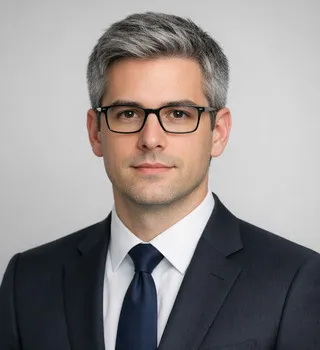
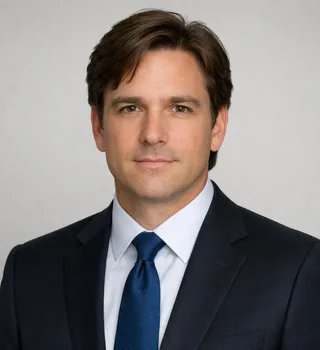
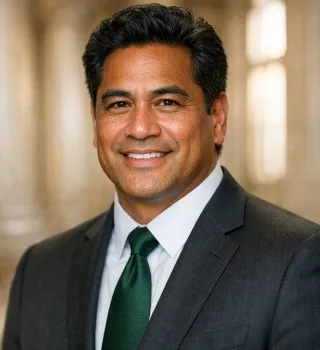
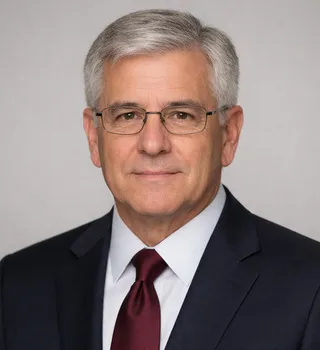
- Plaintiff Attorneys: Tony Buzbee, Colby Holler, David Fortney, and Hall Sasnett (The Buzbee Law Firm)
- Defense Counsel: Daniel Karp and Fee, Smith, and Sharp, LLP
What Happened on the Night of April 22, 2021?
According to the civil lawsuit, Charles Brooks Jr. was married to the child's mother, Madison Ball, and was responsible for babysitting her 2-year-old son, identified in court filings as B.S. Brooks reportedly told Ball he needed to visit his grandfather at a Dallas hospital and took the child with him.
He never went to the hospital. Instead, according to the lawsuit, Brooks severely beat and abused the toddler. When Ball later connected with Brooks on a FaceTime video call, she saw her son "barely breathing." Brooks refused to call 911 and, according to Ball, threatened to "snap her neck" if she contacted authorities.
Ball called an ambulance despite the threats. First responders found the child beaten severely, non-responsive, and with adult bite marks on his legs.
How Severe Were the Child's Injuries?
The assault left the child with catastrophic, permanent injuries. Medical evaluations revealed a severe brain hemorrhage, traumatic brain injury, widespread organ damage, and neurological damage. The child spent months in the ICU in a medically induced coma.
Now 7 years old, B.S. is bedridden, depends on a mechanical breathing machine, and has permanent severe brain damage. He will require round-the-clock medical care for the rest of his life.
What Did the Jury Award?
The jury awarded a total of $1.1 billion in damages:
- $291 million in compensatory damages to the child, covering lifetime medical costs, pain and suffering, and loss of quality of life
- $810 million in punitive damages split between the child and his parents, reflecting the jury's judgment on the severity and intentional nature of Brooks's conduct
Punitive damages are intended to punish egregious behavior and deter others. In Texas, statutory caps on punitive damages generally apply, but exceptions exist for cases involving certain intentional criminal conduct.
Who Is Charles Brooks Jr.?
Brooks is the great-grandson of Percy Turner, one of the original investors in Humble Oil, the predecessor to ExxonMobil. He has been described in court filings as an unemployed trust fund beneficiary.
Brooks was arrested 11 days after the April 2021 assault, later fled, and was recaptured. In 2023, he pleaded guilty to the criminal charge of injury to a child and was sentenced to 40 years in the Texas Department of Corrections. The civil case proceeded separately after the criminal conviction.
Who Represented the Plaintiff Family?
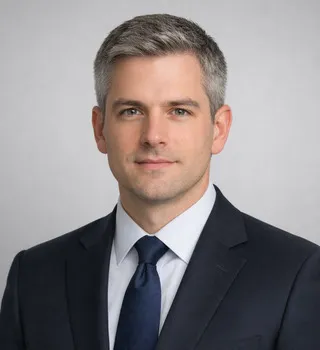
Houston-based trial attorney Tony Buzbee led the plaintiff's legal team at The Buzbee Law Firm, alongside Colby Holler, David Fortney, and Hall Sasnett. The defense was represented by Daniel Karp and the Dallas firm Fee, Smith, and Sharp, LLP.
After the verdict, Buzbee stated: "We claim to value children in our society. This Texas jury stepped up and showed that."
What Does This Verdict Signal for Intentional Tort Cases?
The $1.1 billion award shows that Texas juries are willing to impose massive financial consequences in cases involving deliberate harm to children. While collection of the full judgment may prove difficult given the nature of the defendant's assets (held in trust structures), the verdict sets a powerful precedent for how civil courts value the life and future of a child permanently injured by intentional violence.
The case also highlights the role of civil litigation as a separate path to accountability, even after a criminal conviction has been secured. Brooks's 40-year prison sentence addressed the criminal liability, but the civil verdict addresses the lifetime financial burden the child and his family will bear. Browse more intentional tort verdict news on Major Verdict.
Verdicts like this one deserve to be seen. Major Verdict is the only platform where plaintiff attorneys can publicly display their trial results and settlements, for free. Create your profile today and let your record speak for itself.
Frequently Asked Questions
Q: What is the difference between a criminal conviction and a civil verdict in a child abuse case?
A criminal case is brought by the state and can result in prison time. A civil case is filed by the victim or their family and seeks monetary damages. Different standards of proof apply: criminal cases require proof "beyond a reasonable doubt," while civil cases use the lower "preponderance of the evidence" standard. Both can proceed independently.
Q: Can punitive damages exceed the Texas statutory cap?
Texas generally caps punitive damages at the greater of $200,000 or twice the amount of economic damages plus up to $750,000 in non-economic damages. However, exceptions exist for cases involving certain intentional criminal conduct, including felony convictions. The jury's $810 million punitive award reflects the severity of the defendant's actions.
Q: Will the plaintiff actually collect $1.1 billion?
Collection depends on the defendant's available assets. Brooks is the beneficiary of a trust tied to early Humble Oil wealth, which may complicate recovery. Post-verdict proceedings will determine what assets can be reached to satisfy the judgment.
NOT FOR REPRINT
© 2026 Major Verdict, LLC. All rights reserved. For more information visit our reuse and editorial standards information.