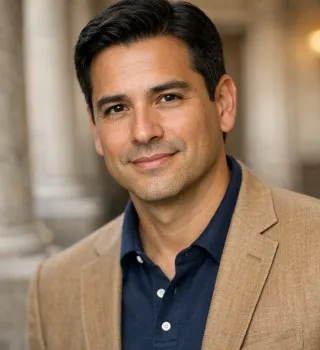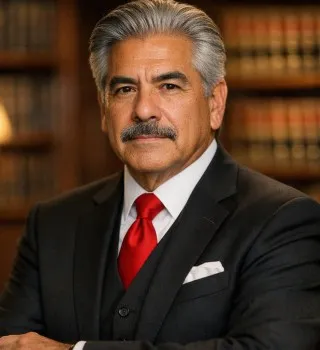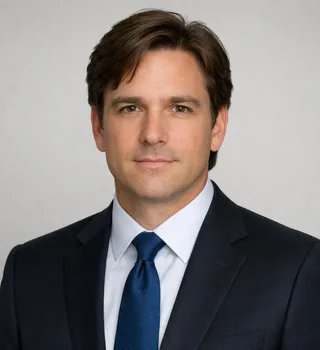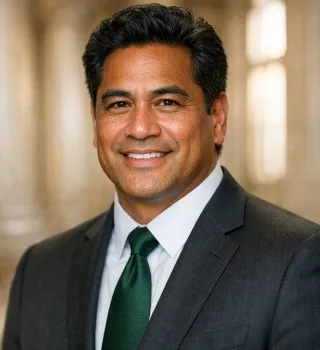

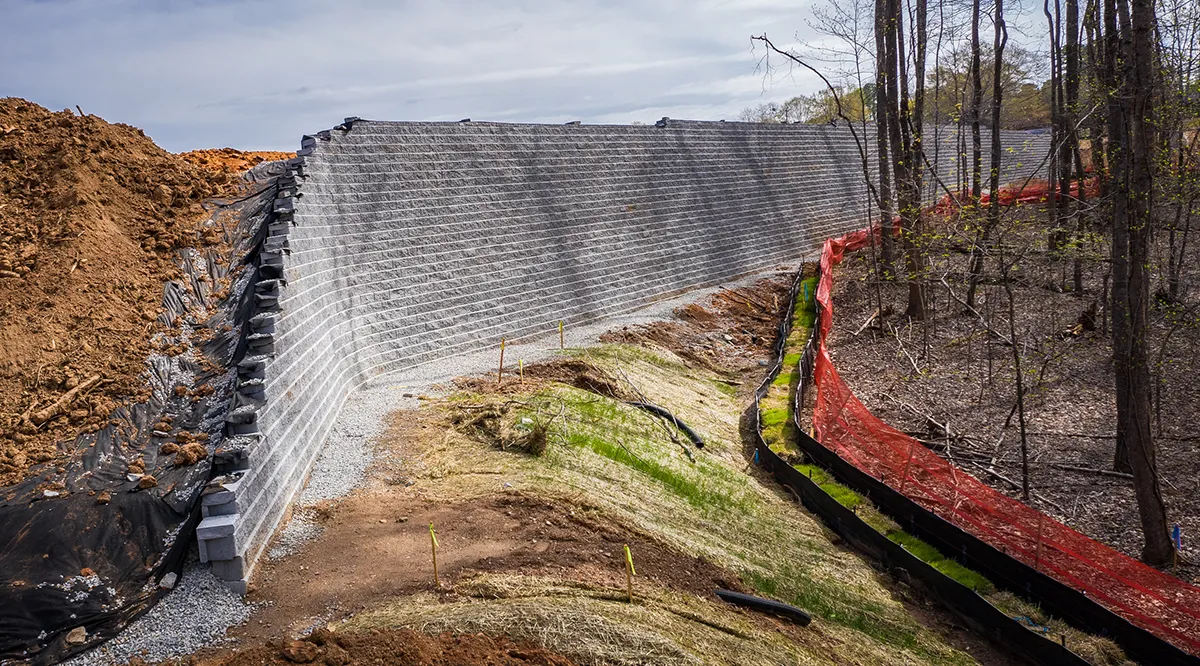
A Henderson County jury has returned a $101 million verdict against Hajoca Corp., a national plumbing supply distributor, finding the company responsible for a 2021 retaining wall collapse that killed one worker and crushed two others at a Hendersonville showroom. The verdict, returned May 19, 2026, is reportedly the largest personal injury jury award in North Carolina history. Plaintiff masons Adan Rendon Hernandez and Magno Alberto "Beto" Valdez Sanchez were each awarded $45 million, and Valdez's wife Maria Guadalupe "Lupita" Aguillón Guerrero received $11 million for loss of consortium. The plaintiffs were represented by a trial team led by Brian F. Davis of Davis Law Group in Asheville, John M. McCabe of The Law Offices of John M. McCabe in Cary, and Meredith S. Hinton of Ricci Law Firm in Greenville.
Case at a Glance
- Verdict: $101 million compensatory ($45M + $45M + $11M)
- Case Type: Construction/Workplace Accident, Third-Party Tort
- Court: Henderson County Superior Court, North Carolina
- Verdict Date: May 19, 2026
- Plaintiffs: Adan Rendon Hernandez (34); Magno Alberto "Beto" Valdez Sanchez (39); Maria Guadalupe Aguillón Guerrero
- Defendants: Hajoca Corp.; Andrew Weymouth, store manager
- Plaintiff Attorneys: Brian F. Davis (Davis Law Group, Asheville); John M. McCabe (Law Offices of John M. McCabe, Cary); Meredith S. Hinton (Ricci Law Firm, Greenville)
What Happened at the Hajoca Showroom?
On January 13, 2021, a masonry crew was working at the Hajoca plumbing supply property at 1027 Spartanburg Highway in Hendersonville. A retaining wall roughly 9 feet 8 inches tall and 150 feet long gave way, burying workers under tons of cinderblock, concrete, and dirt. One worker, 37-year-old Marcelino Godofredo Rendon Hernandez, was killed in the collapse. Two of his coworkers, Adan Rendon Hernandez and Magno Alberto Valdez Sanchez, were crushed and severely injured.
According to evidence presented at trial, the wall had been repaired without an engineering analysis, without a building permit, and without adequate cure time for the concrete before approximately 210 tons of dirt backfill was loaded against it. The plaintiffs alleged Hajoca and store manager Andrew Weymouth bypassed standard safety procedures that would have prevented the failure.
Why Did the Jury Side with the Plaintiffs?
Plaintiff counsel presented evidence that Hajoca failed to hire a licensed engineer, never pulled a permit, and did not allow the concrete to fully cure before backfilling the wall with heavy dirt rather than the lighter gravel typically used in retaining structures. Regulators had reinforced that view well before trial. The North Carolina Department of Labor cited both Hajoca Corp. and Robert Crawford Masonry for "willful serious" violations of the state Occupational Safety and Health Act, fining each $30,800.
After a trial that ran from April 13 to May 20, 2026, the jury concluded that Hajoca and Weymouth bore responsibility for the conditions that led to the collapse. The verdict consisted of compensatory damages only.
The Injuries the Jury Weighed
Adan Rendon Hernandez, age 34, suffered multiple femur fractures, a crushing injury to his right leg, and post-traumatic stress disorder, in addition to other documented injuries.
Magno Alberto Valdez Sanchez, age 39, sustained severe internal injuries, what trial counsel described as "massive" acute blood loss, and multiple severe fractures to his face, jaw, foot, and pelvis. The damage is permanent and neurological. "(Valdez) is physically and mentally damaged for the rest of his life ... he will never be the same ever again," McCabe told the Hendersonville Lightning.
What the Attorneys Said About the Verdict
Plaintiff counsel emphasized the message the verdict sent to corporate defendants operating in the state. "This is a huge validation by the people of Henderson County," Davis said in remarks reported by the Hendersonville Lightning. "The community saying, 'follow the safety rules in the county, and even if you're a giant corporation, you still have to do that.'"
McCabe credited the jury's process. "The jury got it right. They applied the law and the facts, and they came up with a just and fair verdict," he said.
Hinton praised the panel directly. "I commend Hendersonville. It took a lot of courage for the jurors to do what they did," she said.
Defense counsel Jonathan Berkelhammer of Greensboro represented Hajoca and Weymouth at trial. After the verdict, Hajoca issued a written statement: "Hajoca disagrees with, but respects the jury's verdict in this case. Rather than endure a lengthy appellate process, we were able to settle the case after verdict, and the terms of that settlement are confidential."
Why This Verdict Matters for the Plaintiff Bar
If the $101 million award holds as the largest personal injury jury verdict in North Carolina history, it reframes what plaintiff lawyers in the state can credibly seek in workplace and premises cases involving catastrophic injury. The result also illustrates the third-party tort path around the workers' compensation bar. The masons could not sue their own employer, but they could and did pursue the property owner whose alleged negligence created the hazard.
The trial also closes a long litigation arc. Several related claims, including the wrongful death claim brought by Marcelino Rendon Hernandez's estate and a separate claim by injured worker Colby Bradley, were resolved before trial on confidential terms. The verdict against Hajoca and Weymouth covered the remaining plaintiffs.
Verdicts like this one deserve to be seen. Major Verdict is the only platform where plaintiff attorneys can publicly display their trial results and settlements, for free. Create your profile today and let your record speak for itself.
Frequently Asked Questions
Q: What is loss of consortium, and why was Valdez's wife awarded $11 million?
Loss of consortium is a legal claim brought by the spouse of an injured person for the loss of companionship, support, affection, and household services caused by their partner's injuries. North Carolina recognizes the claim as separate from the injured spouse's damages. In this case, the jury found that Valdez's catastrophic injuries permanently changed his ability to share a normal married life with Maria Guadalupe Aguillón Guerrero, and the $11 million reflects that lifelong loss.
Q: Why could the injured workers sue Hajoca instead of being limited to workers' compensation?
Workers' compensation generally bars employees from suing their own employer for on-the-job injuries. But an injured worker can still pursue a separate "third-party" tort action against another company or individual whose negligence caused the harm. The masons here worked for a contractor, not for Hajoca, so they were able to sue Hajoca as the property owner whose alleged negligence in the wall's construction and backfill caused the collapse.
Q: Is the $101 million verdict the final amount Hajoca will pay?
No. Shortly after the jury returned the verdict, Hajoca and the plaintiffs reached a post-verdict settlement on confidential terms, according to the company's public statement. Post-verdict settlements are common when defendants want to avoid a multi-year appeal and plaintiffs want certainty of payment. The $101 million figure stands as the jury's finding even though the actual payout was negotiated privately.
NOT FOR REPRINT
© 2026 Major Verdict, LLC. All rights reserved. For more information visit our reuse and editorial standards information.