

NOT FOR REPRINT
© 2026 Major Verdict, LLC. All rights reserved. For more information visit our reuse and editorial standards information.

NOT FOR REPRINT
© 2026 Major Verdict, LLC. All rights reserved. For more information visit our reuse and editorial standards information.
$176 Million California Wrongful Death Verdict After Two Brothers Killed in Crosswalk
Connecticut Jury Awards $15.2 Million in Wrongful Death of Waterbury Crash Passenger
Texas Jury Returns $22.45 Million Railroad Crossing Verdict Against Kansas City Southern
$130 Million Pierce County Wrongful Death Verdict After State and Daycare Ignored Abuse Warnings
$33 Million Settlement in Illinois Railroad Wrongful Death Case Involving Dangerous "Blind Shove" Maneuver
$22 Million Ohio Wrongful Death Verdict - Jury Finds Work From Home Denial Led to Newborn's Death
$81 Million Utah Verdict in Child's Crosswalk Death Sets State Record
$17M Minnesota Wrongful Death Verdict Holds Killer Liable After Insanity Acquittal


Featured Member
Connor Plant - CO

Featured Member
Jason Alleman - CO
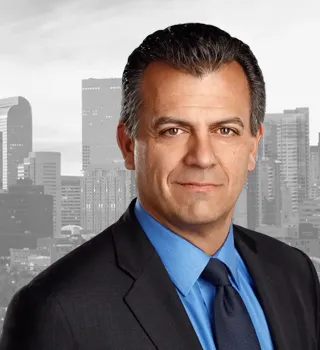
Featured Member
Chad Hemmat - CO
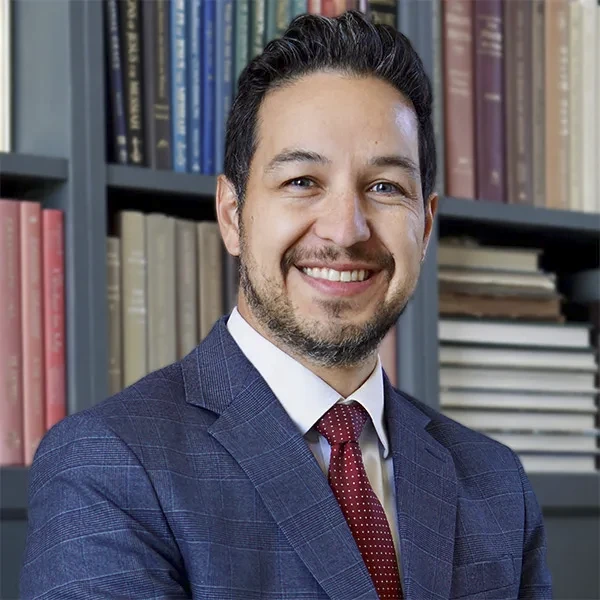
Featured Member
Cameron Hunter - CO
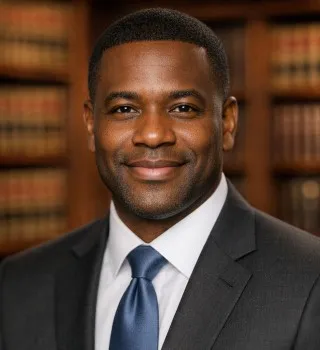
Featured Member
Jerome Howard - AL

Featured Member
Helen Cho - AZ

Featured Member
Karen Carter - CT
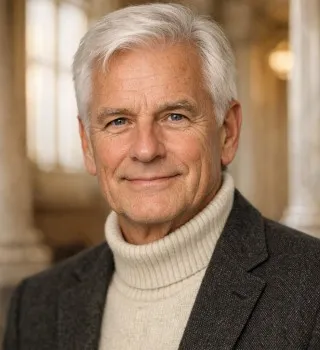
Featured Member
Nicholas Thomas - CT

Featured Member
Alice Chang - FL
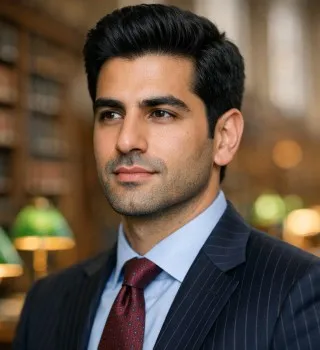
Featured Member
Sanjay Shah - GA

Featured Member
Edward Clark - HI
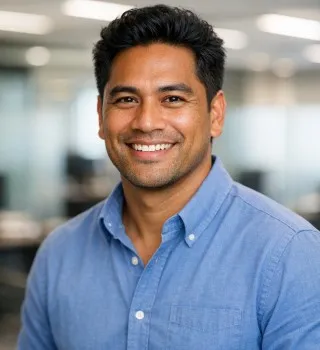
Featured Member
Siddharth Mukherjee - HI

Featured Member
Raymond Choi - ID

Featured Member
Ryan Campbell - IN
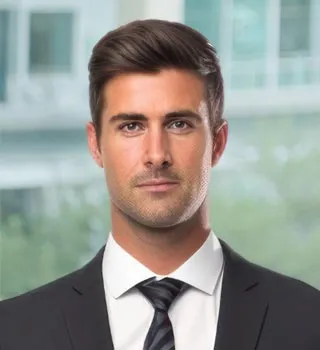
Featured Member
David Russell - IA

Featured Member
Danielle Clark - KY
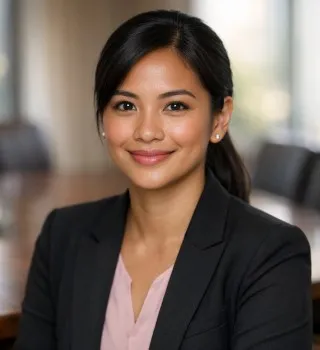
Featured Member
Andrea Tran - LA
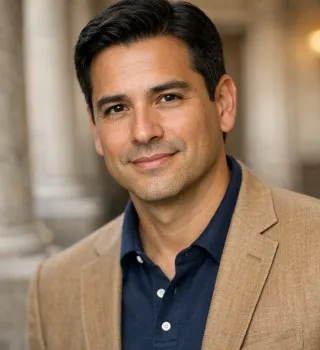
Featured Member
Jose Mendoza - ME

Featured Member
Samantha Bennett - MD
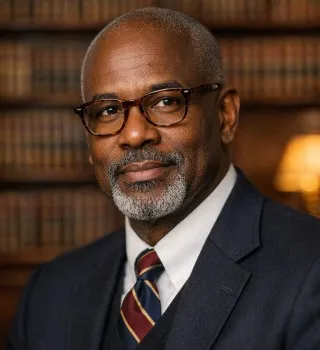
Featured Member
Curtis Davis - MA

Featured Member
Deepak Desai - MS
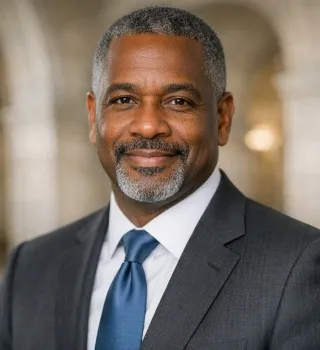
Featured Member
Clarence Bennett - MT
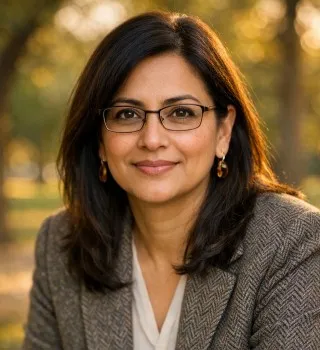
Featured Member
Nisha Malhotra - NV

Featured Member
Jacob Peterson - NV

Featured Member
Katherine Phillips - NH
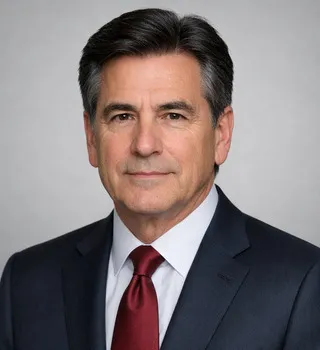
Featured Member
Dennis Burke - NJ

Featured Member
Emma Coleman - NJ
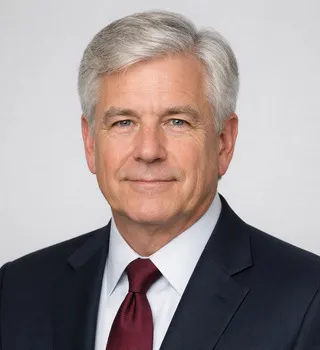
Featured Member
Dennis Burns - NM
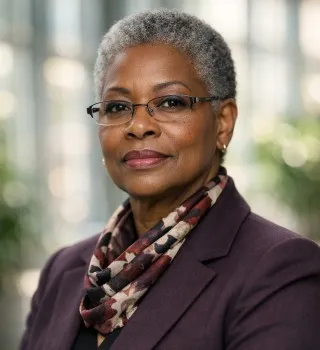
Featured Member
Denise Jefferson - NY
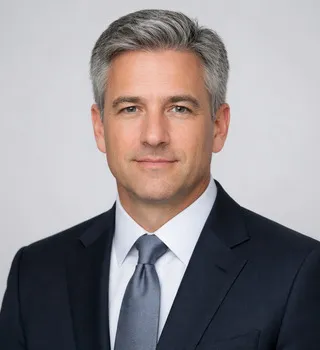
Featured Member
Daniel Watson - NY
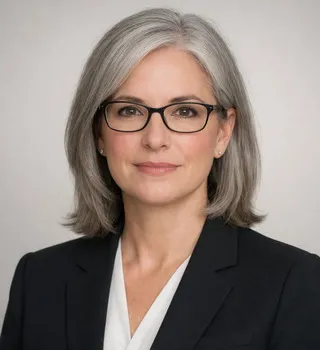
Featured Member
Sandra Scott - NC
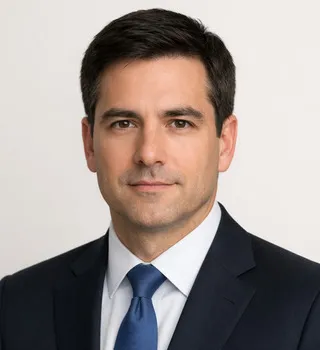
Featured Member
Jose Diaz - NC

Featured Member
Amy Williams - ND
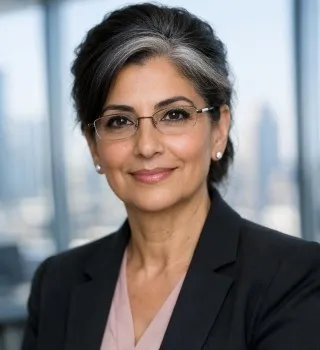
Featured Member
Sunita Bose - OR
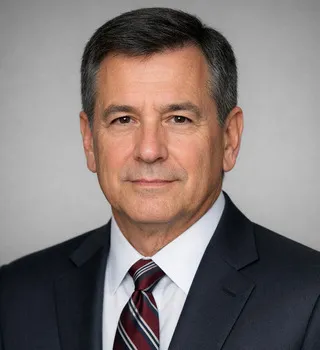
Featured Member
Charles Phillips - OR
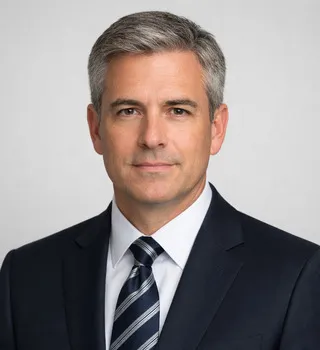
Featured Member
Stephen Mitchell - PA
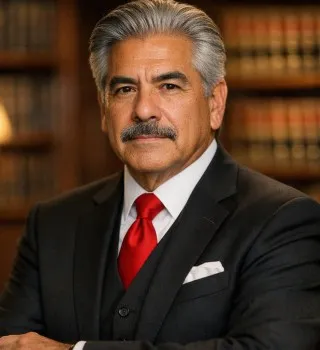
Featured Member
Ruben Garcia - RI
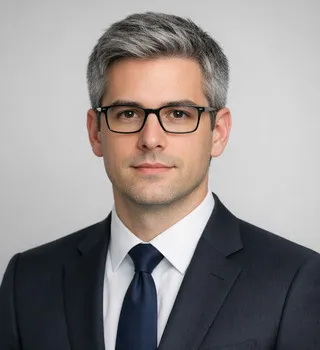
Featured Member
Jack Warren - SC
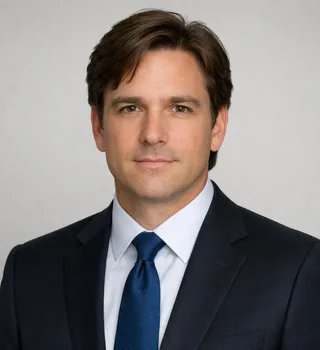
Featured Member
Gerald Hall - SD
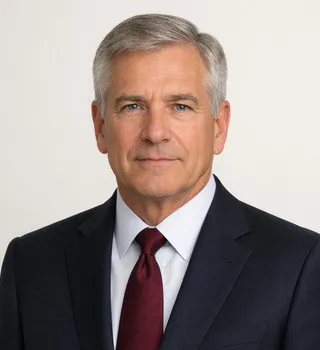
Featured Member
Keith Wood - TX
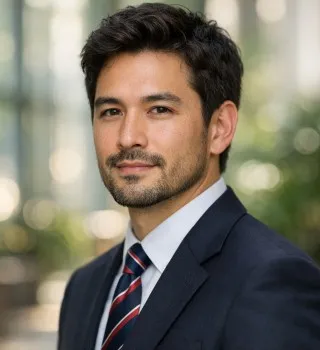
Featured Member
Derek Lu - UT
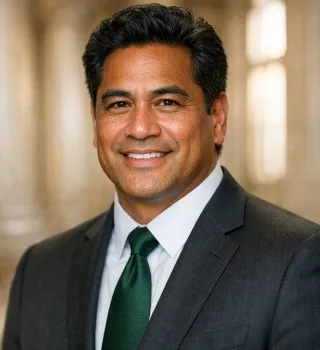
Featured Member
Luis Sandoval - UT

Featured Member
Sophia Lewis - VT
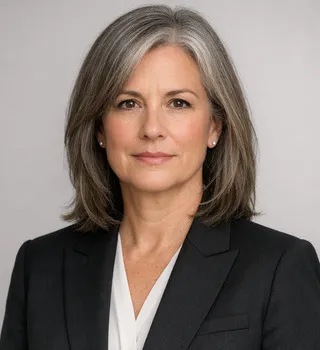
Featured Member
Ann Cooper - VA
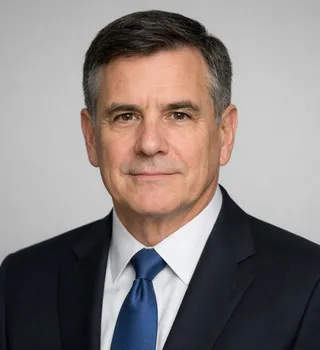
Featured Member
Raymond Warren - WA
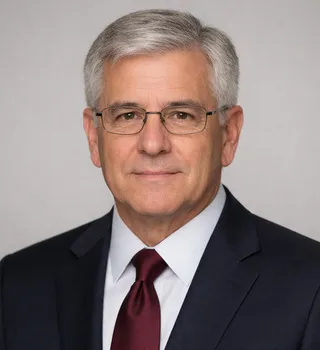
Featured Member
Joseph Crawford - WI
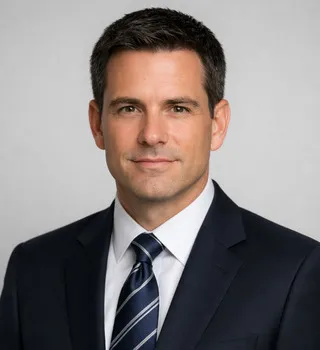
Featured Member
Gregory Peterson - WY

Featured Member
Victoria King - TN, IA
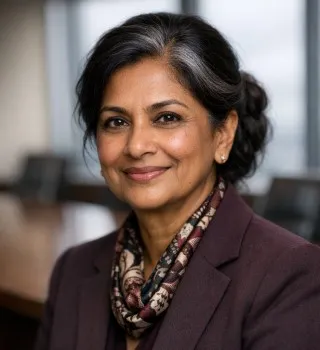
Featured Member
Rani Kapoor - AR
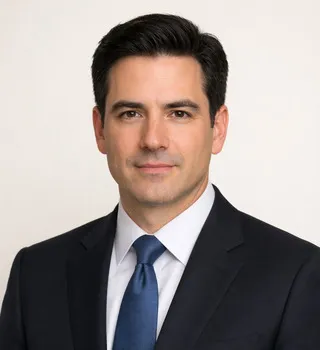
Featured Member
Ronald Carter - AL
 Featured Major Verdict Members in Georgia
Featured Georgia Members
Featured Major Verdict Members in Georgia
Featured Georgia Members