
A Denver jury returned a $17,450,000 verdict on April 30, 2026, in Colorado's first artificial stone countertop silicosis case. The jury found that engineered stone manufacturer Cambria Co., LLC and Hyundai USA LLC misrepresented the safety of quartz slabs that left a 31-year-old fabricator with progressive lung disease and chronic kidney disease. The Denver County District Court jury allocated 32% of fault to Cambria and 3% to Hyundai USA, awarding plaintiffs Tyler Jordan and Caitlin Jordan compensation across economic, non-economic, impairment, and consortium damages. Plaintiffs were represented by Evan Hoffman, Leah McMorris, Grecia Perez, and partner James Nevin of Brayton Purcell LLP. The case is only the third artificial stone silicosis matter to reach a verdict anywhere in the United States.
Case at a Glance
- Verdict: $17,450,000
- Case Type: Toxic Tort / Product Liability (Artificial Stone Silicosis)
- Court: Denver County District Court, Colorado (Case No. 2024CV31180)
- Verdict Date: April 30, 2026
- Plaintiffs: Tyler Jordan and Caitlin Jordan
- Defendants: Cambria Co., LLC (32% liable); Hyundai USA LLC (3% liable)
- Plaintiff Attorneys: Evan Hoffman, Leah McMorris, Grecia Perez, and James Nevin (Brayton Purcell LLP)
What Did the Jury Award?
The Denver jury divided the $17,450,000 verdict into four damage categories. Economic damages totaled $7,600,000. Non-economic damages came to $1,650,000. Physical impairment damages reached another $7,600,000. The jury also awarded $600,000 to Caitlin Jordan for loss of consortium. The total reflects the comparative-fault allocation of 32% against Cambria Co., LLC and 3% against Hyundai USA LLC under Colorado's modified comparative fault scheme. No punitive damages were awarded.
How Engineered Stone Causes Silicosis
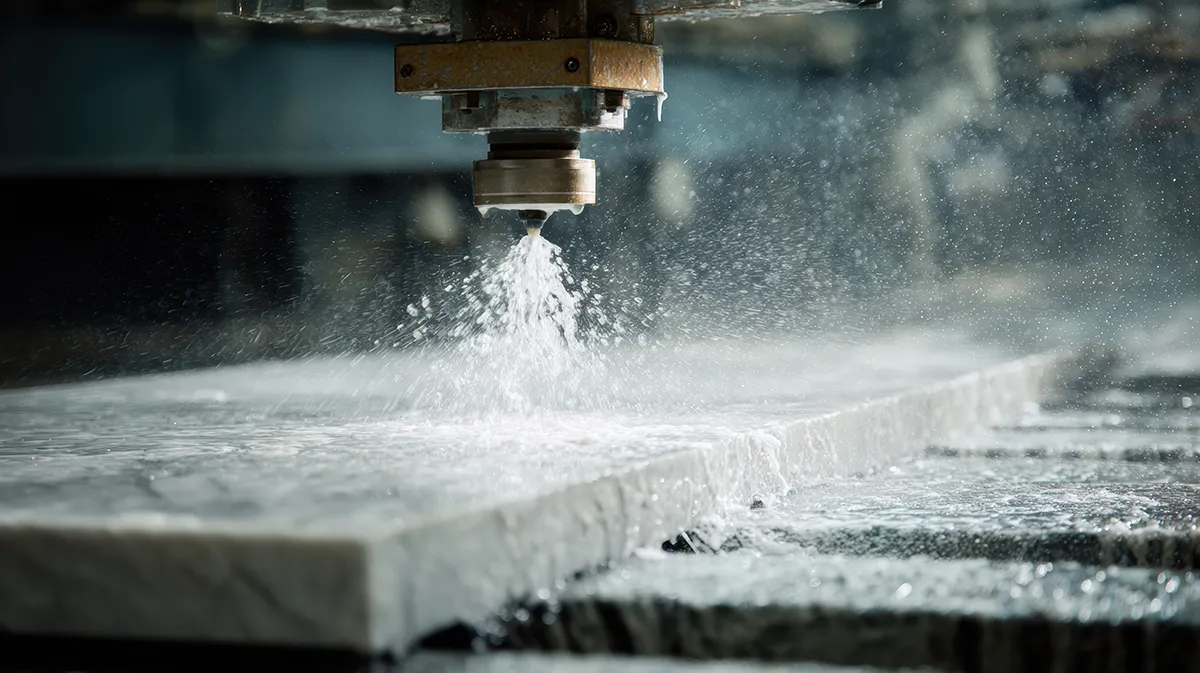
Artificial stone, also called engineered stone or quartz countertop slab, is manufactured by binding crushed quartz with polymers and pigments. Quartz is composed almost entirely of crystalline silica. When fabricators cut, grind, and polish slabs to install in kitchens and bathrooms, they generate fine respirable silica dust. Inhaled over time, that dust scars lung tissue and causes silicosis, an irreversible and often progressive disease that can also damage the kidneys.
Tyler Jordan was 31 years old at the time of the verdict. According to court filings, his exposure to silica during stone fabrication caused both artificial stone silicosis and silica-related chronic kidney disease, along with respiratory impairment.
Why the Jury Held Cambria and Hyundai USA Liable
The plaintiffs' theory of liability against both defendants rested on misrepresentation. Brayton Purcell argued that Cambria and Hyundai USA marketed their products as "pure natural quartz" without warning fabricators or end users of the extreme respiratory and kidney hazards generated when the engineered slabs are cut and polished. The case against Hyundai USA also included a negligence count.
The jury agreed, allocating 32% of fault to Cambria Co., LLC and 3% to Hyundai USA LLC.
"This verdict is about accountability," said plaintiff attorney Evan Hoffman of Brayton Purcell LLP.
The defendants were represented by Claire Weglarz and Khaled Taqi-Eddin of Womble Bond Dickinson, and by Rey Yang and Johanna Boktor of Yang Professional Law Corporation.
Why This Stone Silicosis Verdict Matters Nationally
Artificial stone silicosis is an emerging occupational health crisis. Public health agencies have documented a sharp rise in cases among young countertop fabricators, with some progressing to lung transplant or death within a few years of diagnosis. California became the first state to require enhanced workplace protections for stone fabrication shops after a wave of cases there, and other state regulators are following.
The Tyler Jordan verdict is the first to reach a Colorado courtroom and only the third nationally. The result is expected to draw additional plaintiff filings in states where stone fabrication shops operate without strict respiratory controls. Brayton Purcell, historically known for asbestos litigation, has built a dedicated stone silicosis team and is actively investigating new cases.
The verdict also signals to the engineered stone industry that misrepresentation theories, alleging slabs were sold as "natural quartz" without hazard warnings, can survive trial and produce eight-figure jury awards. Look for similar personal injury verdict news in Colorado as toxic-tort filings continue to climb.
If you or someone you love has developed silicosis, lung disease, or kidney disease after working with engineered stone countertops, verdicts like this show what juries are willing to award when manufacturers fail to warn of known hazards. Find a plaintiff lawyer on Major Verdict with the trial record to take on artificial stone silicosis cases.
Frequently Asked Questions
Q: What is artificial stone silicosis?
Artificial stone silicosis is a lung disease caused by inhaling fine crystalline silica dust during the cutting, grinding, and polishing of engineered or "artificial" stone slabs. Engineered stone contains far more silica than natural granite, and exposure can produce severe and progressive lung scarring, sometimes within a few years. Silica exposure can also cause chronic kidney disease, as alleged in the Tyler Jordan case.
Q: What were the damages in the Tyler Jordan verdict?
The Denver jury awarded $7,600,000 in economic damages, $1,650,000 in non-economic damages, $7,600,000 in physical impairment damages, and $600,000 to Caitlin Jordan for loss of consortium. The $17,450,000 total was allocated under Colorado's comparative fault rules, with Cambria Co., LLC found 32% liable and Hyundai USA LLC found 3% liable.
Q: Why is this verdict significant for stone silicosis litigation?
It is the first artificial stone silicosis case to reach a verdict in Colorado and only the third nationally. The result confirms that misrepresentation theories, alleging manufacturers marketed engineered stone as "pure natural quartz" without warning of the silica hazard, can produce eight-figure jury awards in this emerging mass tort area.
NOT FOR REPRINT
© 2026 Major Verdict, LLC. All rights reserved. For more information visit our reuse and editorial standards information.