A Mobile, Alabama jury has awarded $50,000,000 to the family of Dan Haas, a man who died in his sleep hours after his cardiologist sent him home from the hospital despite discovering a serious, life-threatening heart blockage. The verdict, returned after a 13-day trial, stands as a powerful statement on the consequences of failing to meet the standard of care in cardiac medicine.
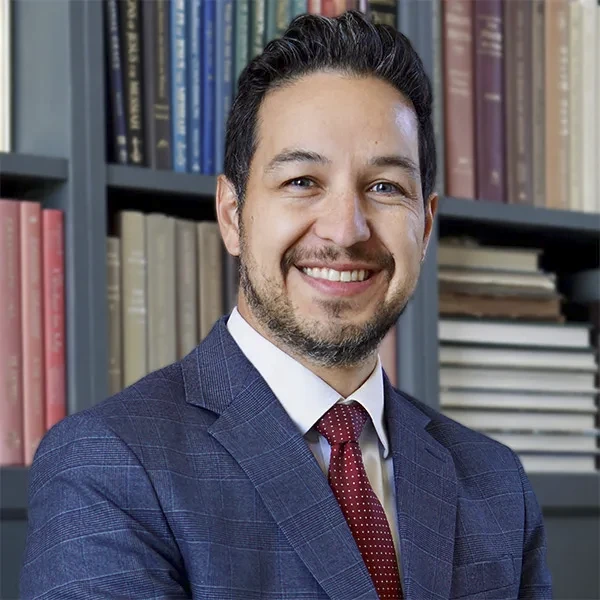
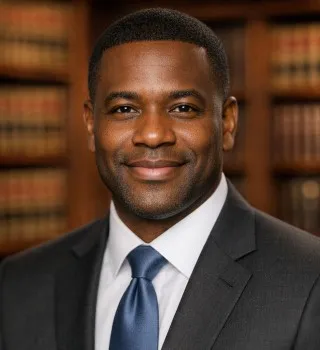
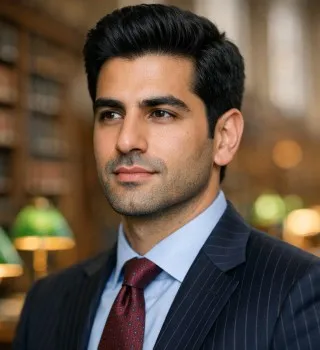
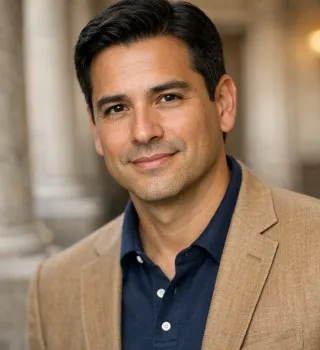
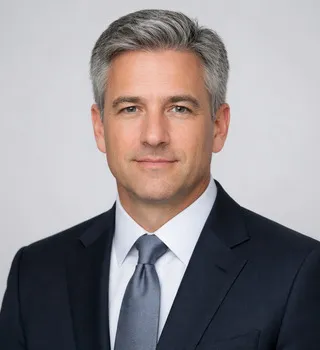
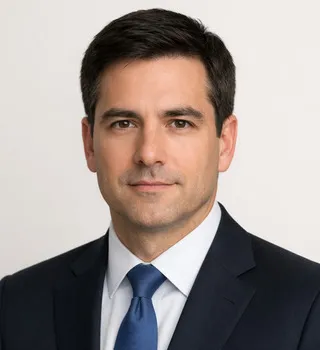
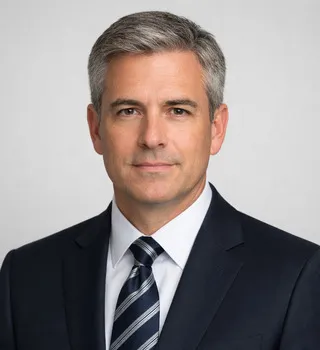
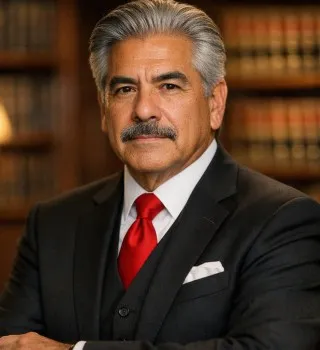
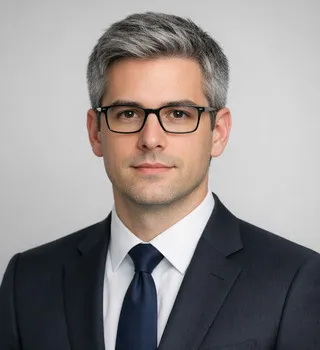
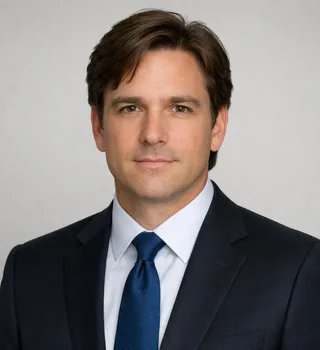
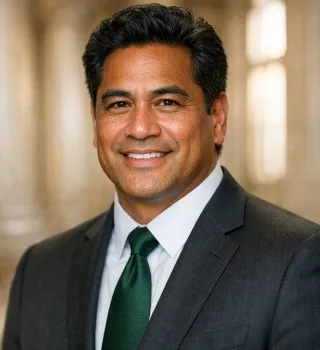
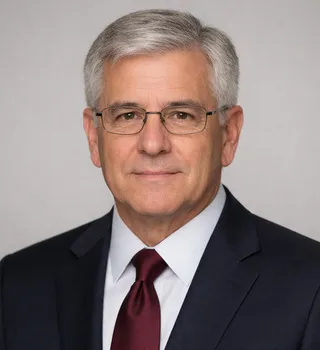
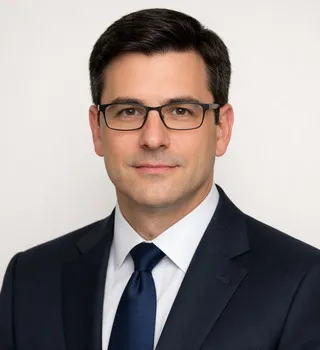
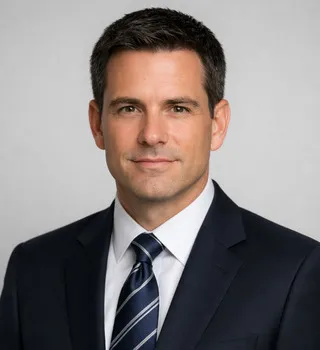
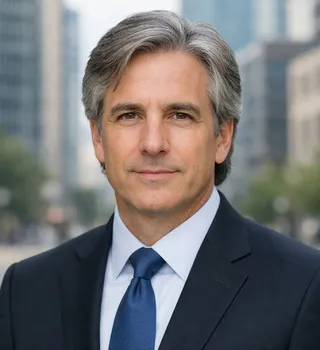
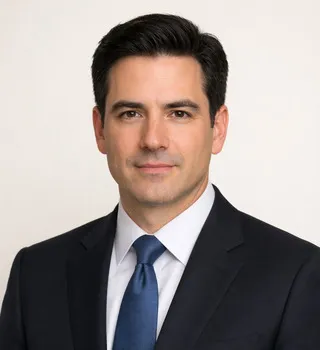
The case was tried by the plaintiff firm Cunningham Bounds, LLC, with offices in Mobile and Atlanta. The trial team consisted of attorneys Skip Finkbohner, Lucy Tufts, Dave Wirtes, and Carmen Chambers.
A Family's Christmas Nightmare
On December 24, 2020, Dan Haas came home from a hunting trip with severe pain between his shoulder blades and shortness of breath. On Christmas Day, he called his cardiologist, Dr. John Galla, to report his symptoms. According to the press release, Dr. Galla told Dan to take it easy and come in Monday for a stress test.
Dan went to the offices of Cardiology Associates on December 28 with continued chest pain. The stress test results came back abnormal. On December 30, Dr. Galla performed a heart catheterization that, according to the lawsuit, clearly revealed a serious and life-threatening cardiac blockage.
Rather than hospitalizing Dan and beginning treatment immediately, Dr. Galla sent him home. The cardiologist also cleared Dan for an elective eye surgery scheduled for the following week and instructed him to begin blood thinners only after that procedure.
Dan Haas died in his sleep that same night, next to his wife.
What the Experts Said
Top cardiology experts retained by Cunningham Bounds testified at trial that if Dr. Galla had simply kept Dan in the hospital and administered routine blood thinners after the catheterization, Dan had a greater than 99% chance of survival.
That testimony proved central to the plaintiff's case. The standard intervention, according to the experts, was not experimental or heroic. It was routine. The decision to send Dan home cost him his life.
The plaintiff's trial team argued that Cardiology Associates failed to take the necessary steps to meet the required standard of care.
The Defense Strategy and Its Failure
Dr. Galla's defense took an unusual and ultimately unsuccessful position: that the contemporaneous medical records from Cardiology Associates, including entries Dr. Galla himself had made, were wrong.
Attorney Skip Finkbohner addressed this directly in remarks following the verdict:
"We relied on the contemporaneous medical records. They were accurate. The defense and their experts took the position these records were wrong. The jury spoke loudly about this, and the lack of care Dan received and the attempts to cover up the mistakes that were made."
Finkbohner also noted that the Haas family had tried repeatedly to resolve the case before trial. According to his post-trial statement, the defense refused all settlement discussions and forced the matter to a jury. The jury spoke after 13 days of testimony.
Five Years of Fighting for the Truth
Dan's family, including his wife Barbara and their children Sarah, Carrie, and Daniel, spent more than five years pursuing accountability through the courts.
Attorney Lucy Tufts reflected on what the verdict meant for the family:
"The Haas family has been fighting to expose the truth of what happened to them for more than five years. This verdict affirms what they've known all along. Dan should have been admitted to the hospital. And if he had been, he'd be alive and here with them today."
The Haas case underscores how a single clinical decision, the choice to send a patient home rather than admit them for observation and treatment, can be the difference between life and death. And how juries respond when they conclude that decision violated the standard of care.
What This Verdict Signals
A $50 million verdict in a medical malpractice wrongful death case is significant in any jurisdiction. In Alabama, where plaintiff verdicts of this magnitude are not common, the outcome reflects both the strength of the evidence and the preparation of the trial team.
The case also illustrates an important dynamic in medical malpractice litigation: the power of a defendant's own records. When a physician's contemporaneous documentation contradicts his trial defense, the credibility gap becomes very difficult to overcome. The jury in Mobile made clear they were not convinced by the effort to rewrite the record.
Cunningham Bounds has represented plaintiffs for more than 65 years, handling cases in serious personal injury, products liability, industrial accidents, and medical malpractice.
Plaintiff Attorneys Who Win at Trial Belong on Major Verdict
Cases like this one deserve a public record. Major Verdict is the only platform where plaintiff attorneys can display their trial results and notable settlements for the world to see, including potential clients searching for lawyers with exactly this kind of track record.
If you are a plaintiff attorney with verdicts or settlements worth sharing, create your free profile on Major Verdict and let your record speak for itself.
If you or someone you love has been harmed by a medical professional and want to find a plaintiff attorney with a proven record at trial, browse plaintiff lawyers on Major Verdict.