A Ramsey County jury awarded $17 million to the family and trustee of Phanny Phay, a 28-year-old woman who was murdered by her then-boyfriend in 2017. The verdict came after her killer, Andre Duprey, had previously been found not guilty by reason of insanity in the criminal case walking free while Phay's family was left without answers, without closure, and without a forum to tell their story.
That changed in civil court.
The case, tried on an intentional tort wrongful death theory, presented a question that cut to the heart of how the civil justice system treats violence committed by someone with a documented mental illness: does a defendant's psychiatric state excuse the act when a jury is deciding civil liability? In Minnesota, at least in this case, the answer was no.
A Brutal Crime, a Criminal Acquittal, and a Family Left Behind
In 2017, Andre Duprey allegedly believed he was seeing a demon when he attacked Phanny Phay. He stabbed her 45 times and shot her in the neck twice with a shotgun. Phay was 28 years old. She had been working toward a career in medicine, aspiring to become a pediatrician.
Duprey was charged with second-degree murder. At trial, he was found not guilty by reason of insanity and was committed to the Minnesota Forensic Mental Health Program in St. Peter. The Phay family never got to address the court. There was no criminal sentence, no victim impact statement, and no public accounting of what happened to their daughter and sister.
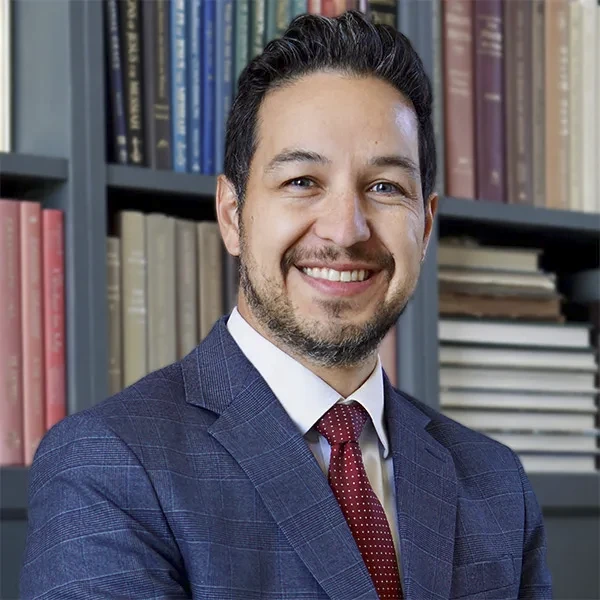
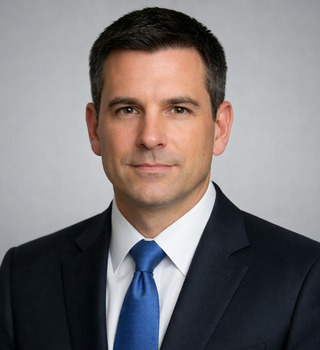
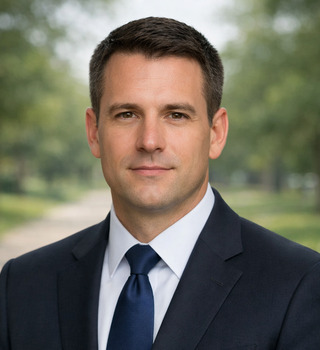
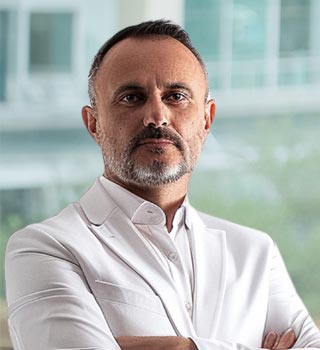
"He was just shipped out to St. Peter," said Paul Appelbaum of the Appelbaum Law Firm, who represented the family in the civil case. "It is so important for people to be able to tell their story. They didn't get to."
The Civil Case: Intentional Tort, Not Negligence
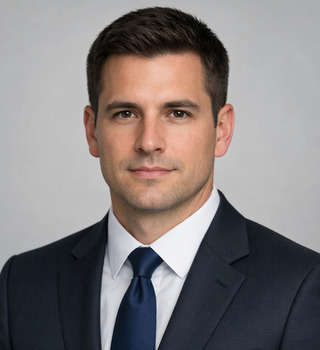
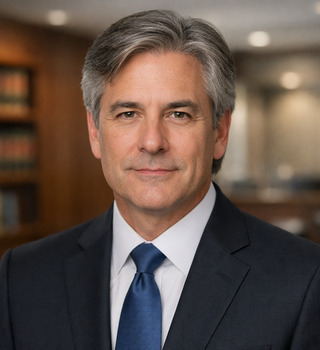
Appelbaum, joined by Megan Curtis of Megan Curtis Law PLLC, filed a civil wrongful death suit on behalf of Phay's family and her trustee.
The legal theory mattered enormously. Rather than alleging negligence, the attorneys pursued an intentional tort wrongful death claim. That distinction shaped everything about how the case was tried, argued, and ultimately decided.
Under Minnesota civil law, Duprey's mental illness or diminished capacity was not a defense to intentional tort wrongful death liability. Judge Mark Ireland ruled that Duprey could testify about what he believed he witnessed the night of the killing, but the jury received an instruction making clear that mental illness was not an excuse for civil liability.
"We wanted to be fair to the situation that happened and not try to mislead the jury as to the facts," Curtis explained, "but his NGRI in the criminal is not a defense in the civil wrongful death."
Threading the Needle: Trial Strategy in an Unusual Case
The case presented strategic challenges that Appelbaum and Curtis describe as genuinely tricky. Duprey had been released from the forensic mental health program by the time the civil trial was held. The Phay family only learned this when Duprey approached them at a restaurant during the case and expressed remorse.
That dynamic followed the case into the courtroom. Duprey was present throughout the trial, behaving calmly. The attorneys had to account for how the jury might perceive that.
Appelbaum's closing argument centered on a pointed legal principle: mistaken identity is not a defense to intentional tort wrongful death. Duprey believed Phay was a demon. He still chose to kill the person in front of him. "You still intended to kill the body that was in front of you," Curtis summarized.
The jury absorbed that framework. After a few hours of deliberation, they returned a verdict of $17 million in favor of the family. With pre-judgment interest, the total recovery is expected to reach approximately $19 million, according to Curtis.
What the Verdict Meant Beyond the Dollar Figure
Appelbaum was candid that the size of the award, while significant, is not the measure of what this case delivered. Duprey, by all accounts, has no assets to satisfy the judgment.
"My motivation was, we know this guy doesn't have any money," Appelbaum said. "It's more that we fell in love with the family."
What the civil process gave the Phay family was something the criminal proceeding never could: a full hearing. Through discovery and subpoenas, the attorneys were able to give the family context about what actually happened the night Phay was killed. They got to tell their story in open court. They got a public verdict.
"Not only being able to tell their story, not only being able to hold him accountable in some way, but being able to get a little bit of closure that was really worth it for the family," Curtis said.
For Appelbaum, the case stands as one of the most meaningful of a nearly 35-year career.
A Verdict That Signals Something Larger
This outcome in Ramsey County illustrates a principle that plaintiff attorneys handle carefully but powerfully: the civil courts operate on their own standards of accountability. A not-guilty verdict in a criminal case ends the criminal matter. It does not foreclose a civil remedy, and it does not determine civil liability.
For families who feel abandoned by the criminal justice system after a violent loss, civil wrongful death litigation can offer a path to accountability that the criminal process cannot or will not provide.
Plaintiff attorneys who handle cases like this one are doing work that requires deep trial skill, careful evidentiary strategy, and the willingness to fight for outcomes that go beyond the settlement check.
If you are a plaintiff attorney with trial results that deserve to be seen, Major Verdict is the only platform where you can publicly display your verdicts and settlements, for free. Let your record speak for itself.
And if you or your family have suffered a wrongful death and want to find an attorney with a proven trial record, browse plaintiff lawyers on Major Verdict to find someone who has handled cases like yours.