A Miami-Dade County jury has returned a $14.7 million verdict against a Miami nursing home in the wrongful death of an 82-year-old resident who developed catastrophic pressure sores that went untreated until they turned fatal. The verdict, entered in the Circuit Court of the Eleventh Judicial Circuit in and for Miami-Dade County under Case No. 2023-021325-CA-01, is reported to be the largest jury verdict ever obtained against a nursing home in Miami.
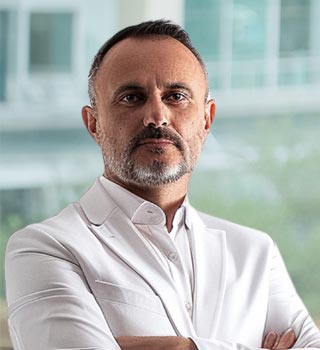
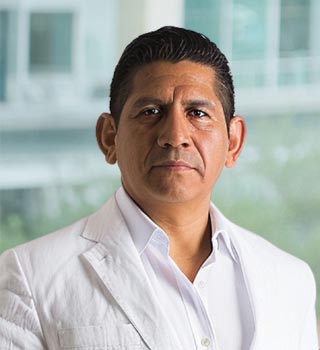
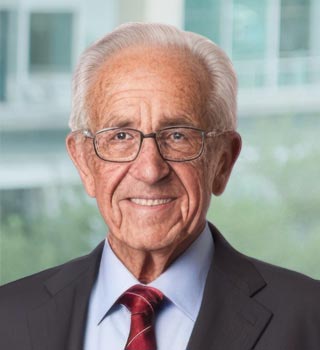
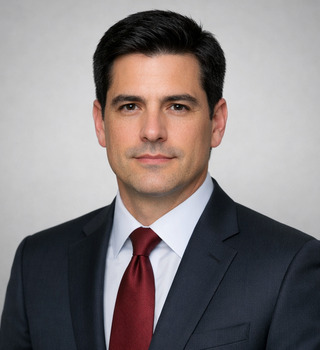
The case was tried by attorneys Garrick Harding and Dylan Hanson of Senior Justice Law Firm, on behalf of the estate and surviving family of Mr. Brakes, who died after suffering injuries that his attorneys argued were entirely preventable.
What Happened to Mr. Brakes at Krystal Bay Nursing and Rehab
Mr. Brakes, 82 years old, was a resident at Krystal Bay Nursing and Rehab in Miami when he developed Stage 4 pressure sores on his sacrum and right heel. According to evidence presented at trial, the wounds were not adequately treated and progressed to sepsis and osteomyelitis (a severe bone infection), requiring multiple amputations. He ultimately died from complications of the injuries.
Pressure sores at that severity level do not develop overnight. Stage 4 wounds, the most serious classification, involve damage through skin, tissue, and into muscle or bone. Medical experts and nursing home regulators broadly agree that Stage 4 pressure sores in a care facility setting are almost always a sign of systemic neglect: residents who are not regularly repositioned, monitored, or treated.
At trial, attorneys for the Brakes family demonstrated that the injuries were the product of systemic failures in care, not an unavoidable outcome of Mr. Brakes' age or health conditions.
The Jury's Verdict and How Damages Were Calculated
The jury awarded damages to all six of Mr. Brakes' surviving children for the loss of their father. Mortality tables introduced into evidence established that Mr. Brakes had a life expectancy of an additional 7.11 years at the time of his death.
The family's attorneys requested $250,000 per year per child for that period. The jury went further, awarding $350,000 per year per child for a full seven years, exceeding what the family asked for, reflecting the jury's assessment of the profound and lasting impact of Mr. Brakes' death on his family.
The final verdict totaled $14.7 million, with fault apportioned 50 percent to the nursing home licensee and 50 percent to the management company, defendant Watercrest Acquisition I LLC. Judge Peter R. Lopez presided over the case.
"Age and frailty do not excuse abuse, nor do they lessen the value of a human life," said Michael Brevda, Esq. of Senior Justice Law Firm. "The jury made that clear with a substantial verdict, despite Mr. Brakes' advanced age and existing health conditions."
Why Fault Was Split Between the Operator and Management Company
One of the more legally notable aspects of this verdict is the apportionment of liability. The jury assigned equal fault to the nursing home licensee and to Watercrest Acquisition I LLC, the management entity.
This is an increasingly common approach in nursing home litigation, where plaintiff attorneys pursue both the licensed operator and the ownership or management structure behind the facility. Management companies that set staffing levels, allocate resources, and establish care policies carry real legal exposure when those decisions contribute to resident harm, even if they never directly provided care to the resident.
For plaintiff attorneys tracking elder abuse verdicts in Florida, this split verdict is a meaningful signal about how Miami-Dade juries view the responsibility of corporate operators alongside facility licensees.
A Record Verdict with Implications for Florida Elder Care
Lead trial counsel Garrick Harding described the verdict as a message to the industry: "This verdict sends a powerful message that nursing homes and their operators will be held fully accountable when they fail to protect their most vulnerable residents."
The $14.7 million award is the largest ever returned by a jury against a nursing home in Miami-Dade County, according to Senior Justice Law Firm. Florida has a particularly high concentration of nursing home residents and a documented history of elder care oversight failures. Verdicts of this scale, when they become part of the public record, serve as both accountability and deterrent.
For families navigating care decisions for elderly loved ones, the Brakes case is a sobering reminder that facilities have a legal obligation to prevent pressure sores and that failure to meet that obligation can result in serious legal consequences. Plaintiff attorneys who specialize in elder abuse cases can showcase verdicts like this one through their profiles on Major Verdict, the national platform where plaintiff lawyers publicly display their trial records.
Conclusion
Mr. Brakes was 82 years old with years of life ahead of him. According to the mortality evidence presented at trial, he had more than seven years of expected life remaining when he entered Krystal Bay's care. He developed wounds that should never have reached Stage 4. He underwent amputations. He died.
The jury that heard the evidence in Miami-Dade County awarded his six children $14.7 million, more than they asked for, because, in the jury's assessment, the nursing home and its management company were each half responsible for what happened.
Verdicts like this one show what juries are willing to award when the evidence is strong and the attorney is prepared. If you or someone you love has been harmed by nursing home neglect, find a plaintiff lawyer on Major Verdict who has the trial record to back it up.